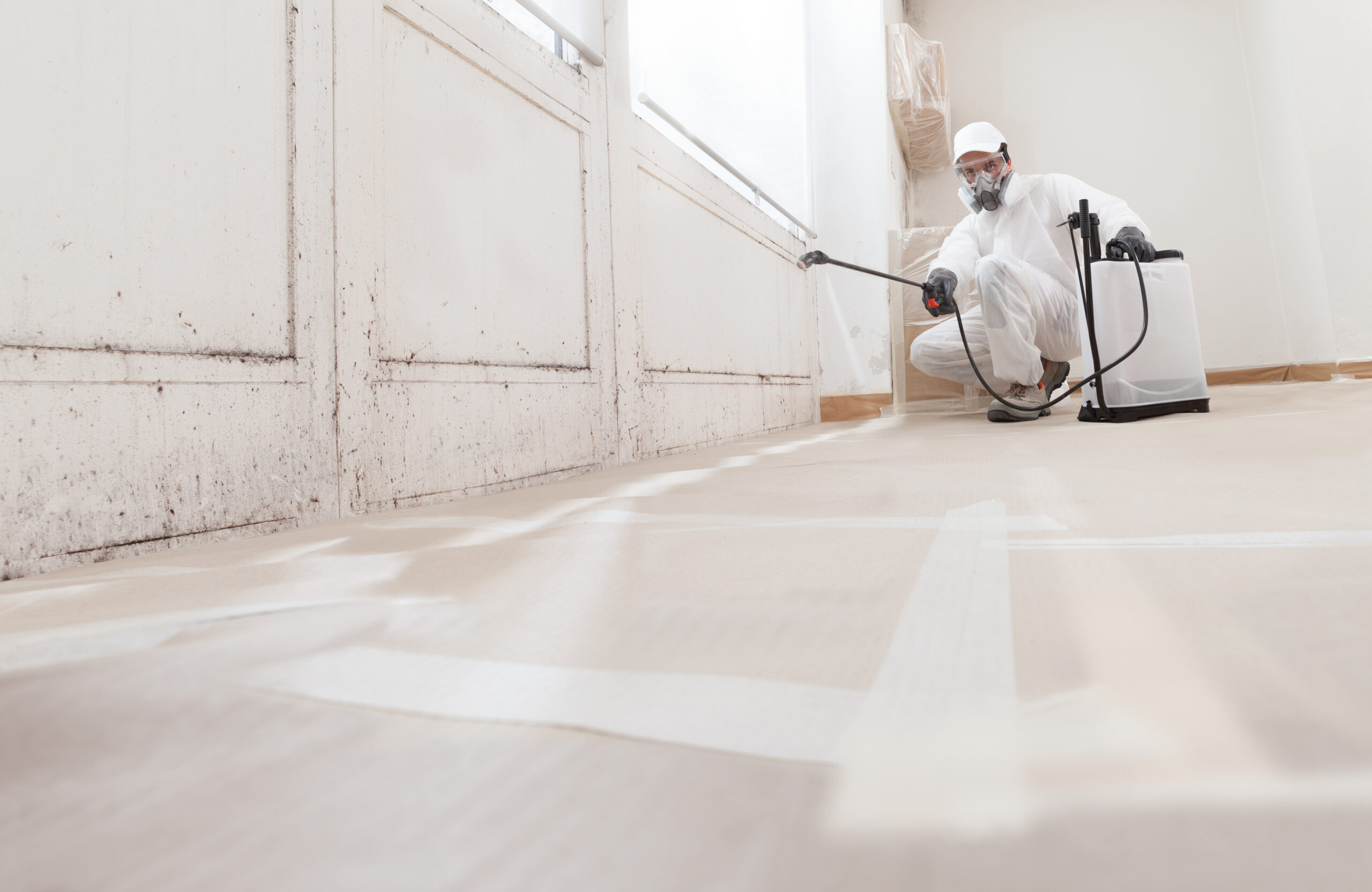
Hot and humid weather turns your bathrooms into ideal breeding grounds for mold and mildew. Steamy showers, damp towels, and poor airflow all cause moisture to build up quickly — conditions mold loves. If left untreated, mold will damage surfaces, create unpleasant odors, and even affect indoor air quality.
The good news? With a few smart habits and preventive measures, you’ll keep your bathrooms clean, dry, and mold-free year-round.
Why Bathrooms Are So Vulnerable to Mold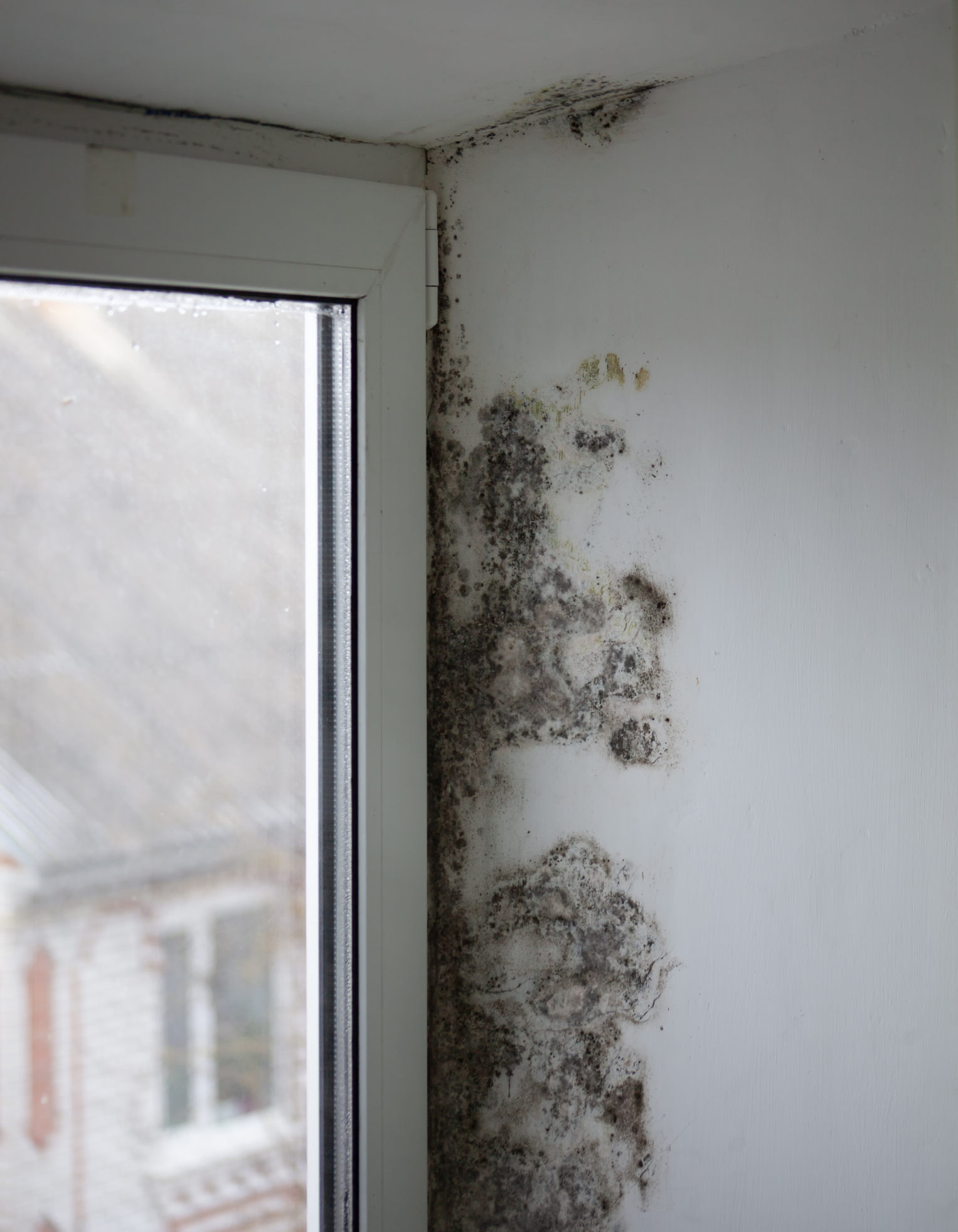
Bathrooms naturally collect moisture every day. Warm air, condensation, and standing water create the perfect environment for mold spores to grow — especially during humid summer months.
Common areas of mold growth include:
- Around Showers and Bathtubs
- On Grout and Caulking
- Under Sinks
- Behind Toilets
- Around Windows and Vents
- On Ceilings and Walls (with poor ventilation)
Mold can begin growing within 24–48 hours when excess moisture is present, which is why quick prevention is so important.
Pro Tip: If your bathroom feels damp long after a shower, humidity levels are likely too high. A simple humidity monitor can help you track problem areas before mold develops.
Learn the difference between water stains and mold growth here: How to Tell the Difference Between Water Stains and Mold Growth
Improve Bathroom Ventilation
One of the best ways to prevent mold is by improving airflow and reducing moisture buildup.
Here are a few effective ways to ventilate your bathroom:
- Run the exhaust fan during showers and for at least 20 minutes afterward.
- Open windows whenever possible.
- Leave the bathroom door slightly open after bathing.
- Clean exhaust fans regularly to maintain airflow.
- Consider upgrading to a higher-capacity ventilation fan if moisture lingers.
Proper ventilation helps remove warm, damp air before it settles on your walls, ceilings, and fixtures.
Pro Tip: A bathroom exhaust fan should vent outside your home — not into the attic — to properly remove moisture.
Not sure when to get a mold inspection? Read our guide for more info: When Should You Get a Mold Inspection?
Keep Surfaces Dry and Clean
Mold feeds on moisture and organic material like soap residue, dust, and grime. Regular cleaning and drying can dramatically reduce mold growth.
Focus on these simple habits:
- Wipe down shower walls and glass doors after use.
- Hang towels so they dry completely.
- Repair dripping faucets or showerheads quickly.
- Avoid leaving wet bath mats on the floor.
- Clean grout and caulking regularly with mold-resistant cleaners
Consistent maintenance prevents hidden moisture from becoming a bigger issue later.
Pro Tip: Switching to mold-resistant shower curtains and bath mats can help reduce lingering moisture in high-humidity bathrooms.
Can you mold come back after remediation? Learn more here: Can Mold Come Back After Remediation? How to Prevent Regrowth
Check for Hidden Plumbing Leaks
Sometimes mold problems are caused by hidden leaks rather than humidity alone. Even a slow leak under a sink or behind a wall can create enough moisture for mold to grow undetected.
Signs of a hidden leak may include:
- Musty Odors
- Peeling Paint or Bubbling Walls
- Water Stains on Ceilings or Flooring
- Warped Cabinets or Soft Drywall
- Unexpected Increases in Water Bills
Addressing plumbing leaks early can prevent both mold damage and costly repairs.
Pro Tip: Check under sinks and around toilet bases monthly for signs of moisture or discoloration.
Got a small leak? Here’s why you should address it ASAP: Why You Should Never Ignore a Small Leak
Use Mold-Resistant Materials During Upgrades
If you’re remodeling or updating your bathroom, choose mold-resistant materials to add an extra layer of protection.
Consider installing:
- Mold-resistant Drywall
- Mildew-resistant Paint
- Waterproof Flooring
- Non-porous Countertops
- Epoxy Grout (instead of traditional grout)
These materials are designed to resist moisture penetration and make cleaning easier over time.
Pro Tip: Semi-gloss or satin bathroom paint resists moisture better than flat paint and is easier to wipe clean.
Consider installing a smart leak detector to stop mold before it starts: Why Smart Leak Detectors Are Becoming a Must-Have for Homeowners
Don’t Let Mold Take Over Your Bathroom
Preventing mold in hot, humid weather comes down to moisture control, improved ventilation, and proactive plumbing checkups. Small preventive steps today help you avoid expensive repairs and unhealthy living conditions later.
If you notice persistent moisture, hidden leaks, or signs of mold growth in your bathroom, it’s important to act fast. Contact Priority Plumbing and Restoration right away for professional plumbing inspections, leak detection, and restoration services that help protect your home from water damage and mold issues.