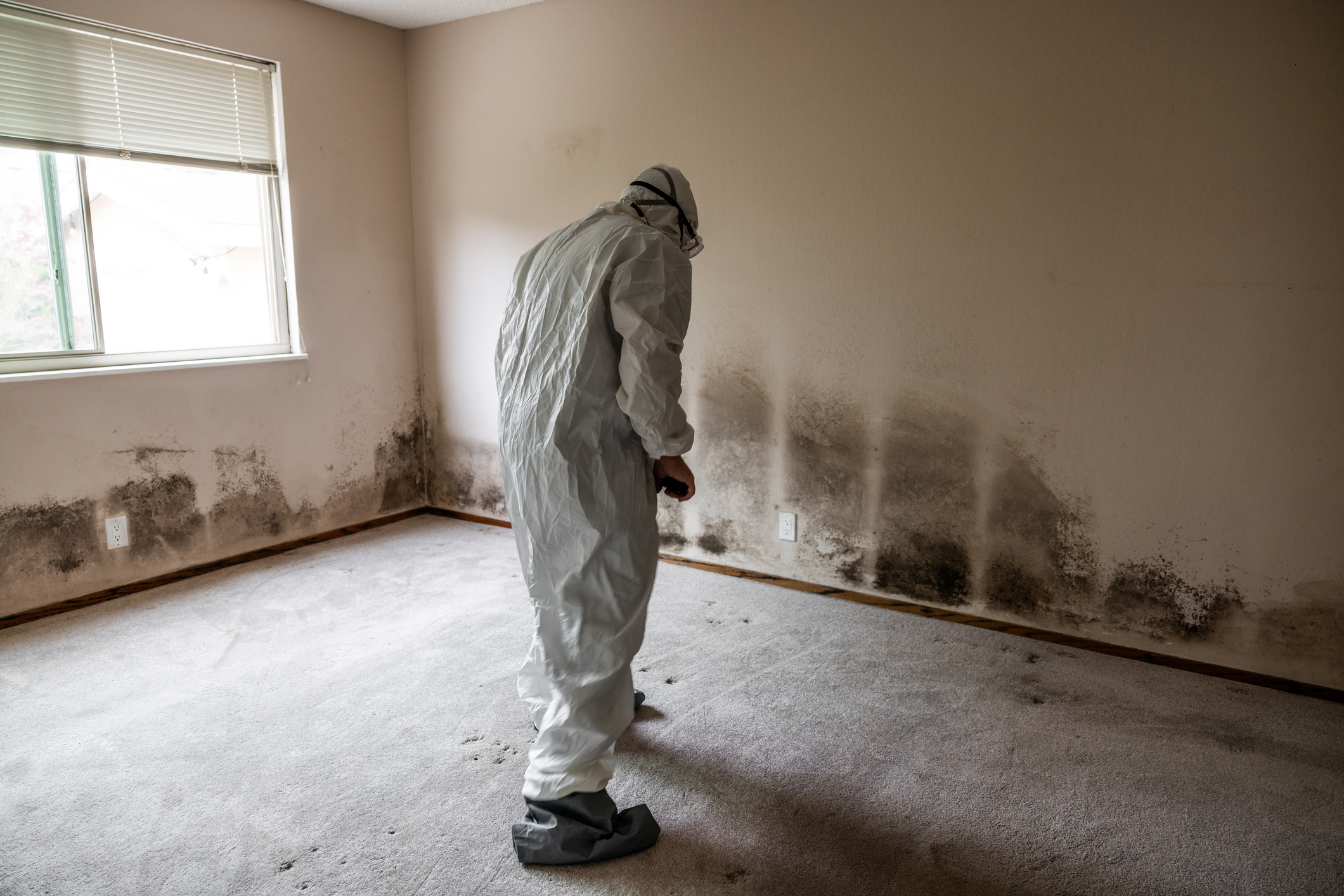
Mold remediation is a critical step in restoring a safe and healthy home — but many property owners are surprised to learn that mold can return after remediation if underlying issues aren’t fully addressed. Understanding why mold regrows and how to prevent it is essential for protecting your property long-term.
At Priority Plumbing and Restoration, we believe prevention is just as important as cleanup.
Why Mold Returns
Professional mold remediation removes existing mold and addresses contaminated materials, but it doesn’t automatically eliminate the conditions that caused mold in the first place. Mold spores are naturally present in the air, and when moisture returns, they can quickly settle and grow again.
Common reasons mold comes back include:
- Unresolved water leaks or plumbing issues
- High indoor humidity
- Poor ventilation in bathrooms, kitchens, or basements
- Flooding or water damage that wasn’t fully dried
If moisture control isn’t maintained, mold regrowth can begin within 24–48 hours.
Pro Tip: After remediation, ask for moisture readings to confirm the area is fully dry. Consider installing smart leak detectors in areas where mold growth is common.
For more on leak detectors, read our guide: Why Smart Leak Detectors Are Becoming a Must-Have for Homeowners
Was the Remediation Done Properly?
Not all remediation jobs are equal. Effective mold remediation should include:
- Identifying and fixing the moisture source
- Containing affected areas to prevent cross-contamination
- Removing or treating contaminated materials
- Thorough drying and post-remediation verification
Pro Tip: Skipping any of these steps increases the risk of mold returning. Working with an experienced restoration company ensures the job is done right the first time.
Not sure if or when to schedule a mold inspection? Learn more here: When Should You Get a Mold Inspection?
How to Prevent Mold Regrowth
Preventing mold regrowth is all about moisture management and routine maintenance. Here’s how you can stay ahead of the problem:
1. Control Moisture and Humidity
Keep indoor humidity between 30% and 50% using dehumidifiers and air conditioning. Pay close attention to basements, crawl spaces, and laundry rooms.
2. Fix Leaks Immediately
Even small plumbing leaks can create ideal conditions for mold. Regularly inspect pipes, appliances, and fixtures — and address issues promptly.
3. Improve Ventilation
Use exhaust fans in bathrooms and kitchens, and ensure dryers vent outside. Good airflow helps prevent moisture buildup.
4. Schedule Regular Inspections
Periodic inspections — especially after storms or plumbing issues — can catch problems early before mold has a chance to return.
Pro Tip: If you notice recurring mold, water stains, peeling paint, or persistent odors, it’s time to call a professional. Mold regrowth often signals a deeper moisture issue that requires expert diagnosis and repair.
Learn the difference between water stains and mold here: How to Tell the Difference Between Water Stains and Mold Growth
Keep Your Home Mold-Free
Yes, mold can come back after remediation — but it doesn’t have to. With proper remediation, moisture control, and proactive maintenance, you can significantly reduce the risk of regrowth.
At Priority Plumbing and Restoration, we specialize in comprehensive solutions that don’t just remove mold, but help prevent it from returning — giving you peace of mind and a healthier home.