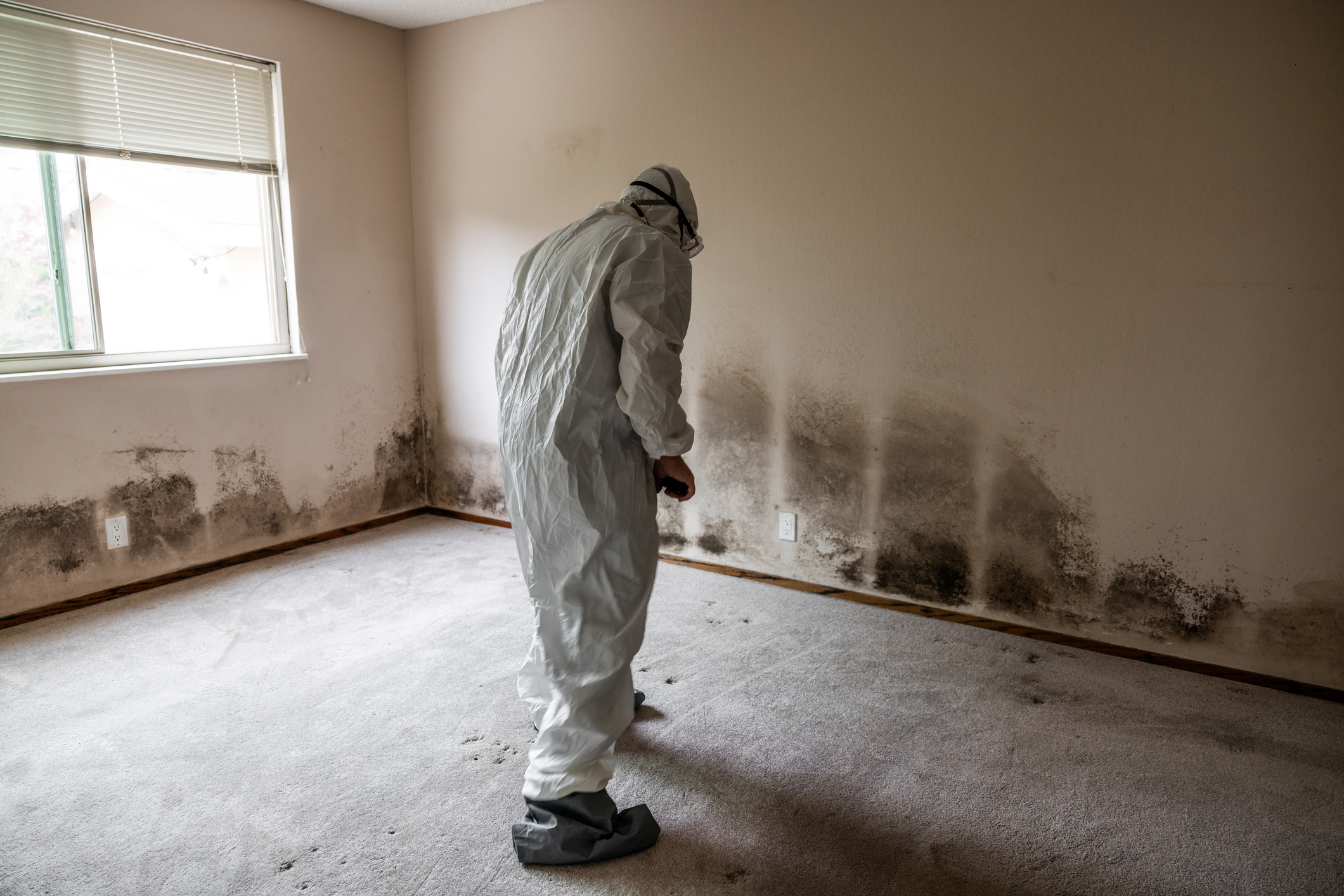
Mold is a type of fungus that thrives in damp, dark environments — think leaky pipes, flooded basements, or poorly ventilated bathrooms. While some mold is harmless, indoor mold growth can release spores into the air, lowering indoor air quality and potentially impacting your health.
Because mold often grows behind walls or under flooring, many homeowners don’t realize there’s a problem until symptoms appear.
Common Signs Mold May Be Making You Sick
 Your body often sends early warning signals when mold is present. Frequent sneezing, coughing, nasal congestion, itchy eyes, or skin rashes can all be signs of mold exposure.
Some people experience:
- Headaches
- Fatigue
- Worsening Allergy Symptoms
If symptoms improve when you leave the house and return when you’re back, mold could be the culprit.
Pro Tip: Keep a simple symptom log noting when and where symptoms occur — it can help professionals identify hidden mold sources.
Not sure if you need a mold inspection? Read our guide for more info: When Should You Get a Mold Inspection?
Who Is Most at Risk from Mold Exposure
While mold can affect anyone, certain groups are more vulnerable. Children, seniors, and individuals with asthma, allergies, or weakened immune systems may experience more severe reactions. Long-term exposure can aggravate respiratory conditions and lead to chronic sinus or lung issues if left untreated.
Pro Tip: If someone in your household has asthma or recurring respiratory issues, don’t delay addressing moisture or musty odors in your home.
Even small leaks can lead to mold growth. Learn more here: Why You Should Never Ignore a Small Leak
What to Do If You Suspect Mold in Your Home
If you notice persistent health symptoms, visible mold, or a musty smell, it’s time to act. Avoid disturbing the area — this can release more spores into the air. Professional mold inspection and remediation ensure the mold is safely removed and the moisture source is fixed to prevent recurrence.
Pro Tip: DIY cleanup with bleach often fails to remove mold at its root — professional remediation addresses both mold and its cause.
Not sure if it’s mold or water stains? We’ve got you covered: How to Tell the Difference Between Water Stains and Mold Growth
Bonus Tips: How to Reduce Mold Risk Every Day
Even if you don’t currently have a mold problem, small daily habits can make a big difference in preventing future growth. Use exhaust fans in bathrooms and kitchens, keep indoor humidity below 50%, and address leaks as soon as they appear.
Regularly check for hidden moisture:
- Under Sinks
- Around Water Heaters
- Near Appliances (like washing machines)
Proper airflow and routine inspections help stop mold before it starts.
Pro Tip: A dehumidifier is one of the easiest ways to prevent mold in basements, crawl spaces, and other moisture-prone areas — especially during humid seasons.
Remember, mold can return if not treated properly. Learn how to prevent regrowth here: Can Mold Come Back After Remediation? How to Prevent Regrowth
Don’t Ignore the Signs — Protect Your Health and Home
Mold-related illnesses often start subtly but can escalate over time. Addressing mold early protects your family’s health and prevents costly structural damage. Regular plumbing maintenance and proper ventilation are simple, proactive ways to reduce mold risk year-round.
At Priority Plumbing and Restoration, we specialize in identifying, removing, and preventing mold so you can breathe easier and feel confident in your home again.