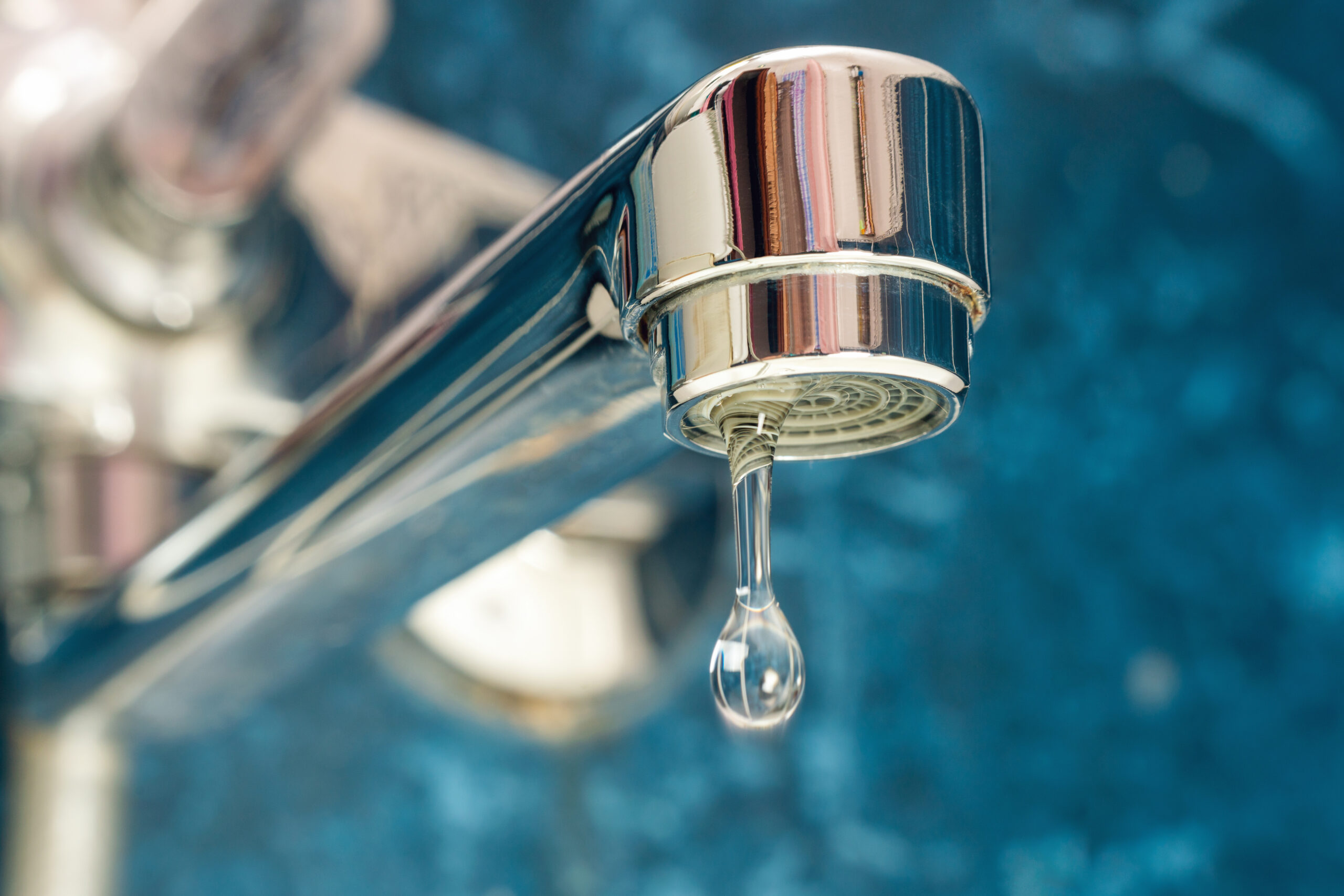
Hidden water leaks are one of the most common — and costly — plumbing problems homeowners face. Because they occur behind walls, under floors, or beneath your foundation, they can quietly cause structural damage, mold growth, and skyrocketing water bills before you even notice something is wrong.
Knowing what to look for can help you catch a leak early and protect your home. Below are the most common warning signs that you may have a hidden water leak.
Unexpected Spike in Your Water Bill
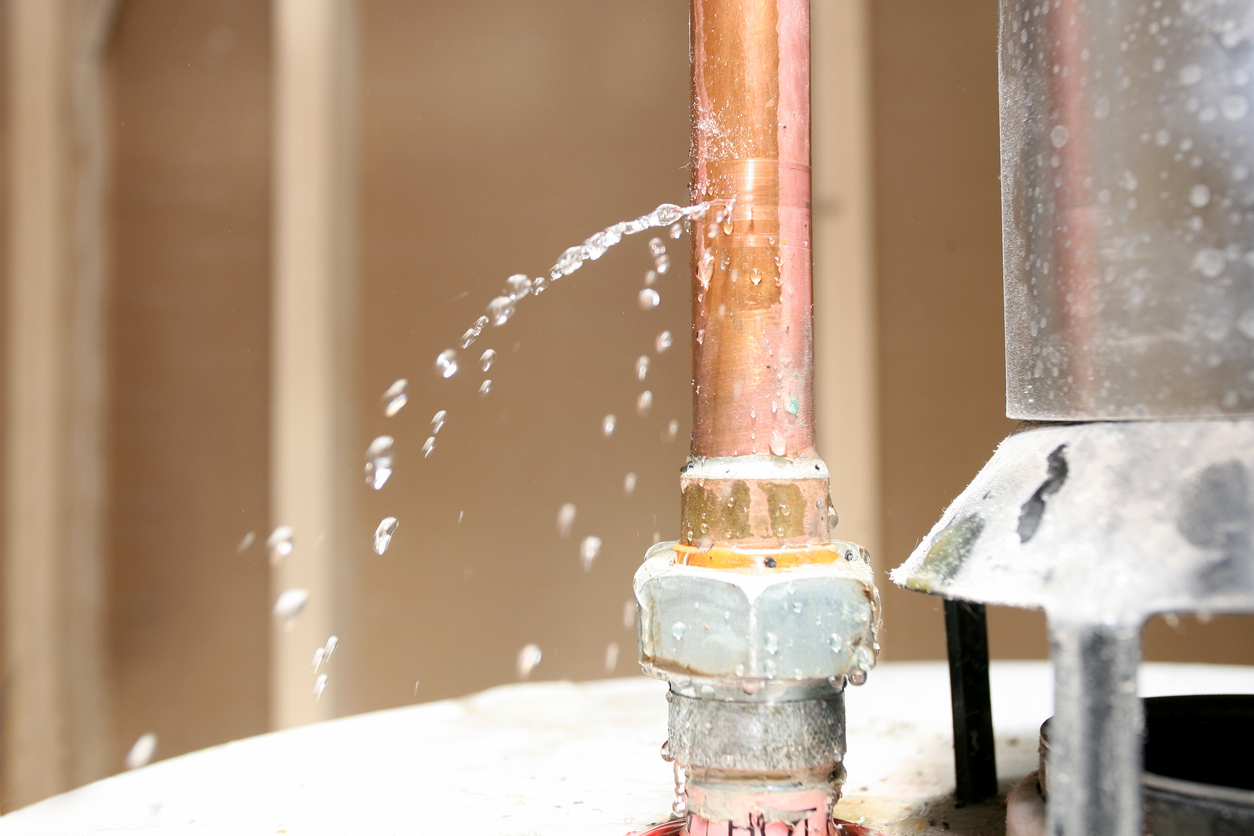 If your water usage habits haven’t changed but your monthly bill suddenly increases, a hidden leak could be the culprit. Even a small pipe leak can waste hundreds of gallons of water per month. Larger slab leaks or supply line breaks can waste far more — and cost you significantly.
Compare your current bill to previous months. If there’s a noticeable jump without a clear explanation, it’s time to investigate.
Pro Tip: Turn off all faucets and water-using appliances, then check your water meter. If the meter continues to move, you likely have a leak.
Learn how small leaks can escalate into larger plumbing problems here: From Slow Leak to Major Repair: How Plumbing Problems Escalate
Damp Spots or Water Stains
Water stains on ceilings or walls often appear as yellowish or brown discoloration. You may also notice bubbling paint, peeling wallpaper, or warped drywall. In some cases, flooring may feel soft, spongy, or slightly raised.
These visual cues typically indicate water pooling behind surfaces — and that means the problem has likely been developing for some time.
Pro Tip: Don’t ignore small stains. Even minor discoloration can signal a slow leak that may worsen quickly if left untreated.
Need help distinguishing water stains from mold? We’ve got you covered: How to Tell the Difference Between Water Stains and Mold Growth
Musty Odors or Mold Growth
A persistent musty smell is a red flag. When water accumulates in dark, enclosed areas, it creates the perfect environment for mold and mildew growth. You might see black, green, or gray patches forming on walls, ceilings, or baseboards.
Mold not only damages building materials but can also impact indoor air quality and trigger allergies or respiratory issues.
Pro Tip: If you smell mildew but can’t see mold, check areas under sinks, around tubs, and near appliances — these are common leak locations.
If you’re not sure, scheduling a mold inspection is the safest bet. Learn more here: When Should You Get a Mold Inspection?
Low Water Pressure
A sudden drop in water pressure throughout your home may indicate a damaged or leaking pipe. When water escapes before reaching your fixtures, less pressure is available at faucets and showerheads.
If the issue affects only one fixture, it may be a localized clog. But if the pressure drop is widespread, it’s often a sign of a more serious hidden plumbing problem.
Pro Tip: Rule out simple causes first by cleaning aerators and showerheads. If pressure doesn’t improve, schedule a professional inspection.
For more info on water pressure problems, read our guide: Water Pressure Problems? Here’s What Could Be Causing It
Sounds of Running Water
Do you hear dripping, trickling, or rushing water when no fixtures are in use? These unexplained sounds often point to hidden leaks inside walls or beneath floors.
In quiet moments — especially at night — you may notice faint but consistent water movement. Trust your ears. Unusual plumbing noises are rarely harmless.
Pro Tip: If you hear water running after turning off a fixture, monitor the sound’s location. This can help a plumber pinpoint the issue faster.
Learn how to avoid making emergency plumbing calls here: Make 2026 the Year You Avoid Emergency Plumbing Calls
Don’t Let a Small Leak Become a Big Problem
Hidden leaks rarely fix themselves — and the longer they go undetected, the more expensive the damage becomes. From structural deterioration to mold remediation and increased utility costs, a small plumbing issue can escalate quickly.
If you notice any of these warning signs, contact Priority Plumbing and Restoration for a professional inspection. Early detection saves money, protects your property, and gives you peace of mind.