When plumbing problems arise, it’s tempting to grab a wrench, watch a few YouTube tutorials, and hope for the best. While some minor issues — like replacing a showerhead — are perfectly DIY-friendly, many plumbing issues require a professional touch.
If you ignore certain warning signs or attempt a repair beyond your skill level, it can lead to water damage, mold growth, expensive repairs, and even health hazards.
Here are the top ten signs it’s time to call a professional plumber instead of tackling the job yourself.
1. Your Water Pressure Suddenly Drops
A noticeable drop in water pressure throughout your home could indicate: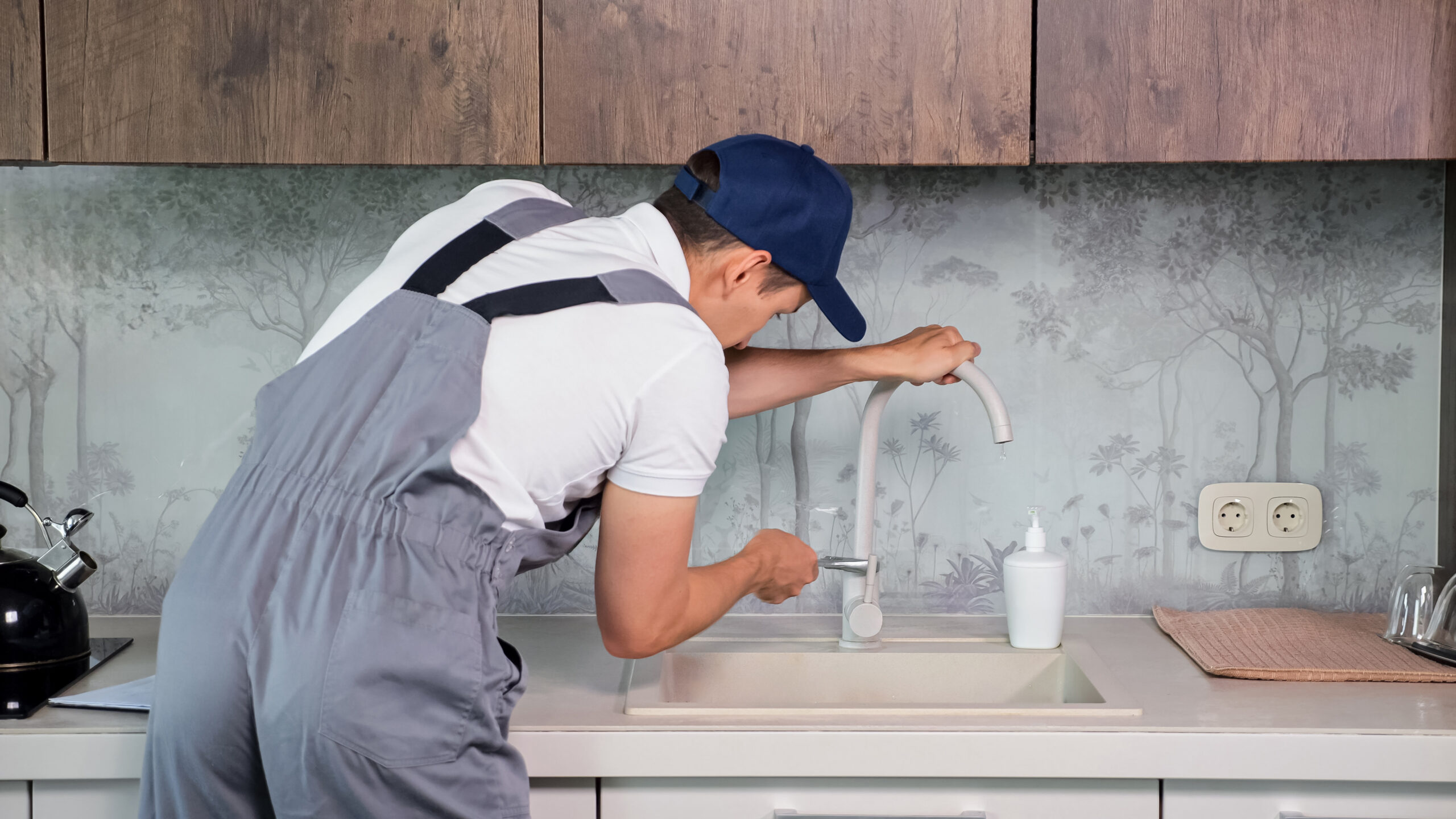
- Hidden Pipe Leaks
- Corroded Plumbing
- Mineral Buildup
- Water Line Issues
Instead of guessing the cause, call a professional who can quickly diagnose the problem before it gets worse.
Pro Tip: If low water pressure affects every faucet — not just one fixture — it’s almost always worth calling a plumber.
Worried about water waste this summer? Read our guide for more info: How to Reduce Water Waste During Summer
2. You Have Persistent Drain Clogs
An occasional slow drain is quite common. But recurring clogs in multiple drains often point to a deeper issue.
Common causes include:
- Sewer Line Blockages
- Tree Root Intrusion
- Grease Buildup
- Damaged Drain Pipes
Chemical drain cleaners may provide temporary relief but can damage your pipes over time.
Pro Tip: Frequent clogs usually mean the blockage is farther down the plumbing system than a plunger can reach.
For more on professional drain cleaning, read our guide: Top 6 Signs Your Drains Need Professional Cleaning (Before It’s Too Late)
3. Spikes in Your Water Bill
If your water usage hasn’t changed but your bill has skyrocketed, hidden leaks could be the culprit.
Leaks behind walls, under floors, or beneath your home’s foundation often go unnoticed until significant damage occurs.
Pro Tip: Even a small leak can waste thousands of gallons of water each year.
Learn more about how small leaks can lead to bigger issues here: Why You Should Never Ignore a Small Leak
4. You Notice Water Stains or Damp Spots
Discolored ceilings, bubbling paint, warped flooring, or mysterious damp areas are all warning signs of hidden plumbing leaks.
The longer moisture remains, the greater the risk of structural damage and mold growth.
Pro Tip: Don’t simply repaint over water stains — locate the source first.
Suspect a hidden water leak? Learn the signs here: Signs You Have a Hidden Water Leak
5. Your Pipes Make Strange Noises
Your plumbing shouldn’t sound like it’s haunted.
Listen for:
- Banging
- Whistling
- Gurgling
- Rattling
These sounds may indicate pressure issues, trapped air, loose pipes, or developing blockages.
Pro Tip: Strange plumbing noises rarely fix themselves — they usually become more expensive over time.
Aging plumbing can significantly increase the risk of flooding and water damage. Learn more here: How an Aging Plumbing System Increases Flood Risk
6. Your Water Heater Isn’t Performing
If you’re running out of hot water quickly or hearing popping sounds from your water heater, it’s time for a professional inspection.
Repairs involving gas, electricity, or pressure tanks should never be DIY projects.
Pro Tip: Annual water heater maintenance can significantly extend its lifespan.
Not sure what to do if your water heater suddenly stops working? We’ve got you covered: What to Do If Your Water Heater Suddenly Stops Working
7. Sewage Odors Are Coming From Drains
A sewer smell inside your home is never normal.
Possible causes include:
- Broken Sewer Lines
- Dry Drain Traps
- Sewer Gas Leaks
- Vent Pipe Problems
These issues require prompt professional attention.
Pro Tip: Sewer gas isn’t just unpleasant — it can pose health and safety risks.
Learn the most common plumbing issues here: The 10 Most Common Plumbing Issues and How to Prevent Them
8. You See Rusty or Discolored Water
Brown, yellow, or reddish water may indicate:
- Corroded Pipes
- Water Heater Corrosion
- Municipal Water Issues
A professional can determine whether the problem originates inside your home or elsewhere.
Pro Tip: If only the hot water is discolored, your water heater may be the culprit.
Considering a tankless water heater? Here’s what you need to know: The Rise of Tankless Water Heaters: Are They Worth the Switch?
9. Your Toilet Frequently Overflows or Won’t Flush Properly
A toilet that repeatedly clogs or struggles to flush often signals a larger drainage issue rather than a faulty toilet.
Ignoring the problem can eventually lead to sewage backups.
Pro Tip: Repeated toilet issues often point to a main sewer line problem — not just the toilet itself.
If your toilet won’t stop running, here’s what to do: What to Do When Your Toilet Won’t Stop Running
10. You’ve Already Tried Fixing It
If you’ve tightened fittings, plunged drains, reset your water heater, or replaced parts without success, it’s time to stop troubleshooting and call a professional.
Priority Plumbing and Restoration has specialized equipment to locate problems quickly and repair them correctly the first time.
Pro Tip: Calling a professional early can often save hundreds — or even thousands — of dollars in future repairs.
Learn the real cost of delaying water damage repairs here: The Real Cost of Delaying Water Damage Repairs
Know When to Put the Toolbox Away
There’s nothing wrong with handling small, DIY projects yourself.
But when plumbing issues become persistent and widespread, or involve hidden leaks, sewer lines, or water heaters, professional repairs are the safest and most cost-effective solution.
If you’re experiencing any of these warning signs, don’t wait for a small issue to become a major headache. Contact Priority Plumbing and Restoration today for expert plumbing repairs, accurate diagnostics, and dependable service that keeps your home’s plumbing running smoothly.