Water damage isn’t always obvious. In fact, some of the most serious structural and mold issues begin silently — behind drywall, under insulation, and inside framing. At Priority Plumbing and Restoration, our trained technicians use advanced tools and proven techniques to uncover hidden moisture before it becomes a costly disaster. 
Here’s how the professionals do it.
Visual Inspection and Moisture Mapping
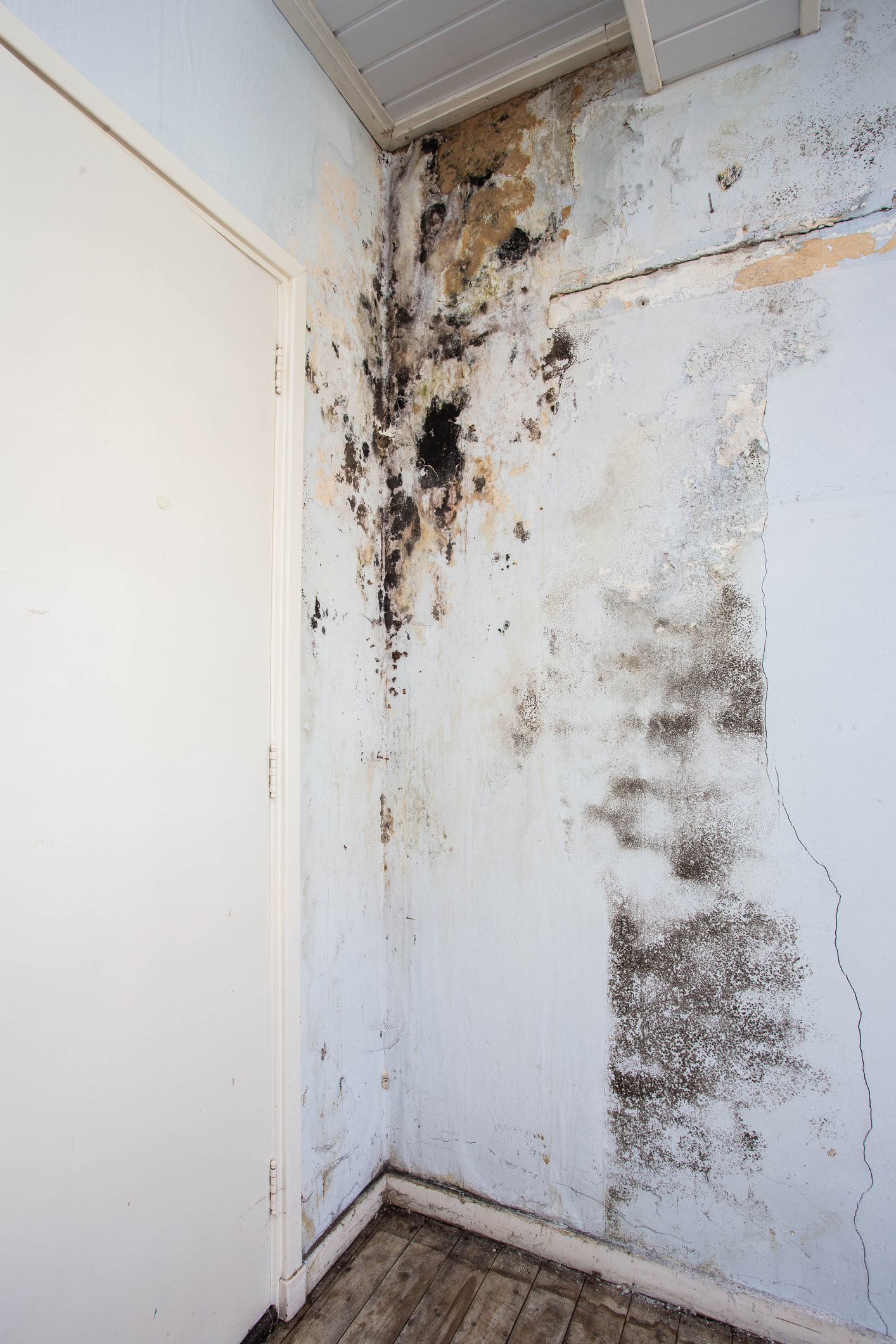
The first step in detecting hidden water damage is a thorough visual assessment. Professionals look for subtle warning signs such as:
- Bubbling Paint
- Warped Baseboards
- Hairline Cracks
- Wall and Ceiling Discoloration
Even small stains can signal a larger issue behind the surface.
Technicians also map out potential moisture pathways. For example, water from a leaking pipe may travel along framing before pooling in a completely different area. Understanding how water moves through building materials is key to identifying the true source.
Pro Tip: If you notice musty odors or peeling paint, don’t ignore them. These early signs often point to moisture trapped behind walls.
Not sure if it’s water stains or mold? We’ve got you covered: How to Tell the Difference Between Water Stains and Mold Growth
Moisture Meters and Hygrometers
Visual clues only go so far. That’s why restoration professionals use moisture meters to measure the water content inside:
- Drywall
- Wood Studs
- Flooring Materials
Pin-type and pinless meters provide accurate readings without causing unnecessary damage. Hygrometers are also used to measure humidity levels in the air. Elevated indoor humidity can indicate hidden water issues, especially in enclosed spaces like bathrooms, kitchens, and basements.
These tools allow technicians to create a moisture map of the affected area, identifying exactly where water intrusion has occurred.
Pro Tip: Home humidity should typically stay between 30% and 50%. Consistently higher levels may signal a hidden leak.
Remember, even a slow leak can lead to major repairs. Learn more here: From Slow Leak to Major Repair: How Plumbing Problems Escalate
Thermal Imaging Cameras
One of the most effective tools for detecting hidden water damage is infrared thermal imaging. These cameras detect temperature differences in building materials. Since wet areas often retain heat or cool differently than dry areas, thermal imaging reveals moisture that isn’t visible to the naked eye.
This non-invasive method allows professionals to scan large sections of wall quickly and pinpoint suspicious areas without unnecessary demolition.
- However, thermal imaging doesn’t directly “see” water — it identifies temperature variations. That’s why professionals always confirm findings with moisture meters.
Pro Tip: Thermal imaging works best when there’s a temperature difference between indoor and outdoor environments, making seasonal inspections especially effective.
Not sure if or when to get a mold inspection? Read our guide for more info: When Should You Get a Mold Inspection?
Controlled Access and Borescope Inspections
When tools indicate hidden moisture, professionals may create small, strategic openings in drywall to investigate further. Instead of removing entire walls, they use borescopes — small cameras inserted through tiny holes — to inspect cavities inside walls.
This minimally invasive approach allows technicians to assess:
- Insulation
- Framing
- Plumbing Components
If mold or structural damage is present, they can plan targeted repairs.
Pro Tip: Avoid cutting into walls yourself. Improper openings can worsen damage or expose you to mold spores.
Find more info on the health risks associated with mold exposure here: Is Mold Making You Sick? Signs You Shouldn’t Ignore
Leak Detection Technology
Advanced leak detection equipment helps pinpoint the source of water intrusion. Acoustic listening devices detect the sound of water escaping from pipes. Pressure testing can reveal plumbing failures, and tracer gas systems may be used for hard-to-find leaks.
By identifying the exact source, professionals prevent recurring water damage and ensure long-term solutions rather than temporary fixes.
Pro Tip: If your water bill suddenly spikes without explanation, schedule a professional leak inspection immediately.
Make 2026 the year with zero plumbing emergencies: Make 2026 the Year You Avoid Emergency Plumbing Calls
Don’t Let Hidden Damage Grow Into a Major Problem
Hidden water damage can compromise your home’s structure, reduce indoor air quality, and lead to costly mold growth. The earlier it’s detected, the easier and more affordable it is to fix.
Priority Plumbing and Restoration uses advanced diagnostic tools and industry expertise to locate hidden moisture quickly and accurately — helping protect your home and your peace of mind.