January is one of the most damaging months of the year for homeowners — and frozen pipes are often to blame. At Priority Plumbing and Restoration, we see a sharp increase in burst pipe emergencies every January, often resulting in extensive water damage, costly repairs, an

d major disruptions to daily life.
Understanding why pipes fail most often in early winter — and what you can do now — can help you avoid a preventable disaster.
Why Frozen Pipes Are Most Common in January
While freezing temperatures may arrive as early as November or December, January is when the risk truly peaks. Several factors converge during this time to make plumbing systems especially vulnerable.
1. Sustained Cold Temperatures
By January, cold weather is no longer brief or sporadic. Extended periods of freezing temperatures allow cold air to penetrate deeper into walls, crawl spaces, attics, and basements, where pipes may be exposed.
2. Thermal Expansion Pressure
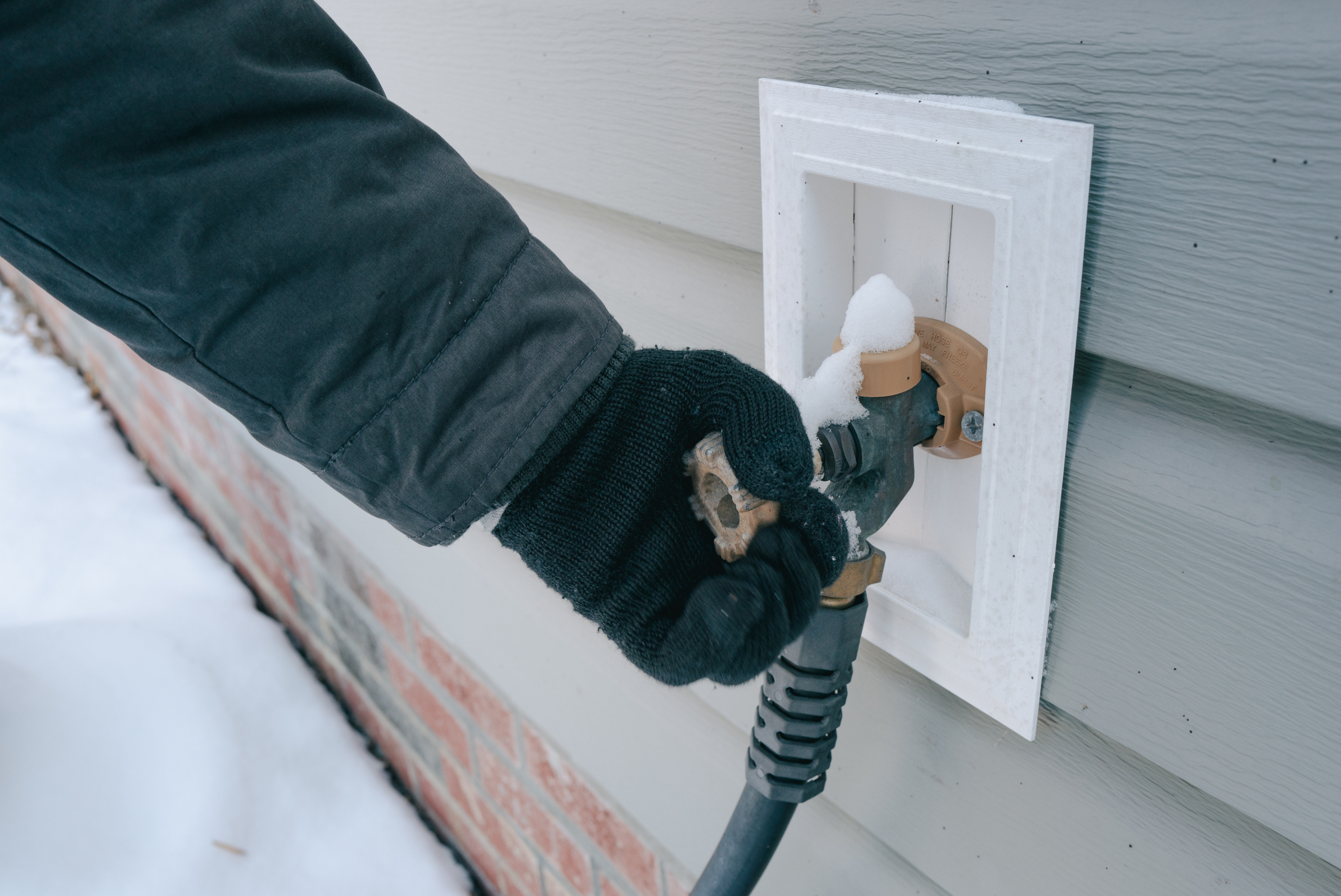
When water freezes, it expands. As ice forms inside a pipe, pressure builds between the ice blockage and closed faucets. Eventually, that pressure causes the pipe to crack or burst — often while no one is home or awake to notice.
3. Holiday Travel and Vacant Homes
Many homeowners travel during the holidays or early January. When homes are left unheated — or thermostats are turned down too low — pipes can freeze unnoticed, allowing damage to worsen before it’s discovered.
4. Aging or Poorly Insulated Plumbing
Older homes and properties with inadequate insulation are especially at risk. Pipes in exterior walls, garages, crawl spaces, and under sinks are common failure points.
Pro Tip: To guarantee that your home is ready for winter, schedule a winter plumbing inspection to catch potential problems early.
Learn more about getting your home winter-ready here: How to Winterize Your Plumbing System Before It’s Too Late
Common Warning Signs of Frozen Pipes
Recognizing early indicators can prevent a full-scale plumbing emergency:
- Little or No Water Flow from Faucets
- Frost or Condensation on Exposed Pipes
- Unusual Odors from Drains
- Banging or Whistling Sounds when Turning on the Water.
Experiencing water pressure issues? Read our guide for probable causes and solutions: Water Pressure Problems? Here’s What Could Be Causing It
What You Can Do to Prevent Frozen Pipes
Fortunately, frozen pipe disasters are highly preventable with proactive steps.
- Insulate Vulnerable Pipes: Use foam pipe insulation or heat tape on exposed pipes, especially in unheated areas like garages and crawl spaces.
- Maintain Consistent Heat: Keep your thermostat set to at least 55°F—even when you’re away. Open cabinet doors under sinks to allow warm air to circulate.
- Let Faucets Drip During Extreme Cold: A slow, steady drip keeps water moving and reduces pressure buildup inside pipes.
- Seal Drafts and Air Leaks: Close gaps around windows, doors, and foundation vents to keep cold air from reaching plumbing.
Pro Tip: Plumbing problems of any size should be addressed immediately. Even the smallest leaks can lead to costly repairs down the road.
Learn more about why you should never ignore small leaks here: Why You Should Never Ignore a Small Leak
Don’t Wait for a Burst Pipe
Frozen pipes don’t just cause plumbing issues — they can lead to flooding, mold growth, and structural damage. January is the most common time these disasters strike, but with preparation and awareness, they’re largely avoidable.
If you suspect frozen pipes or experience water damage, contact Priority Plumbing and Restoration. We’re ready to respond quickly and help protect your home!