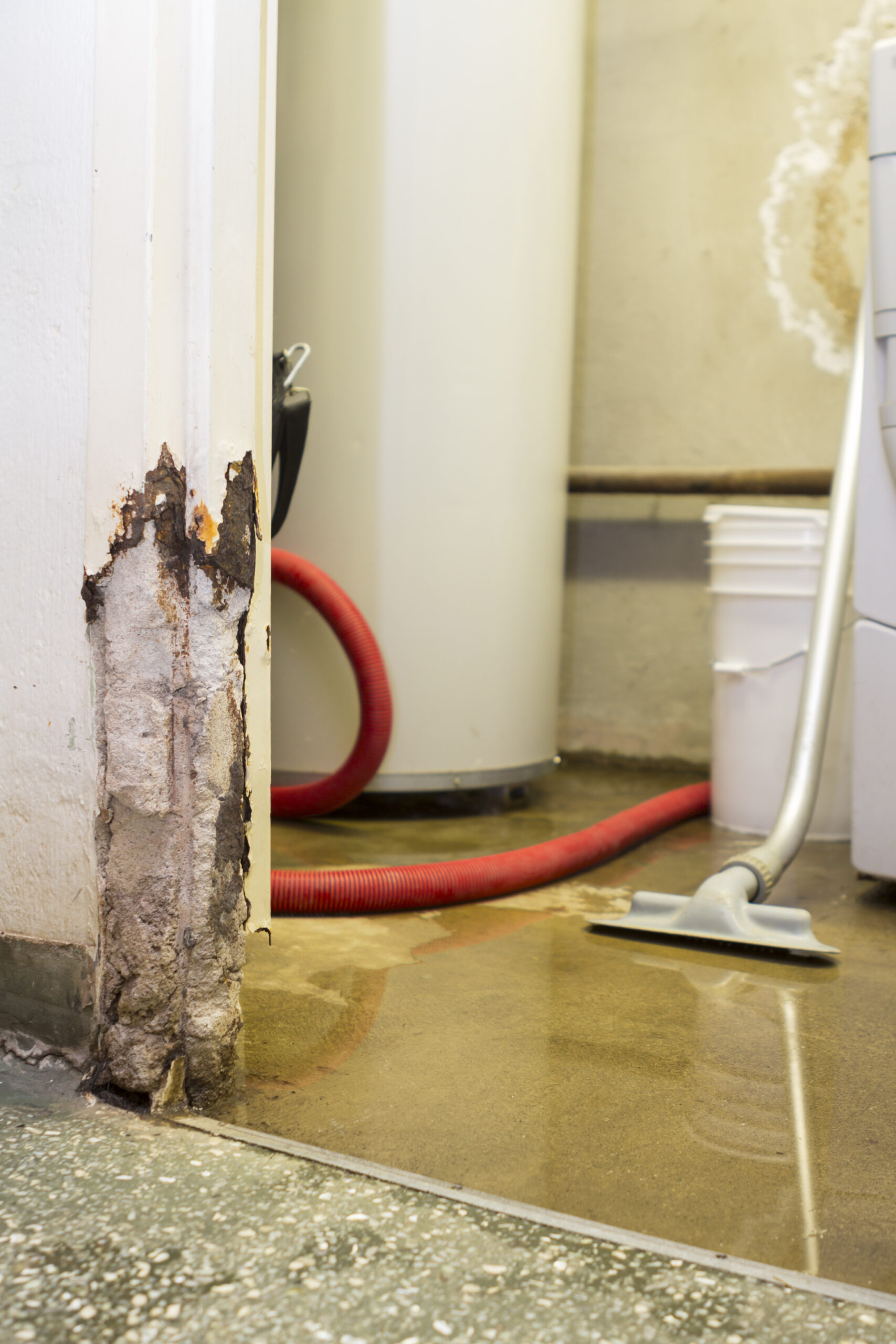
Water damage is one of the most common and costly problems homeowners face. Whether it’s a slow leak or a sudden flood, even small amounts of water can lead to structural damage, mold growth, and expensive repairs. The good news is that many of the leading causes of residential water damage can be prevented with regular maintenance and awareness.
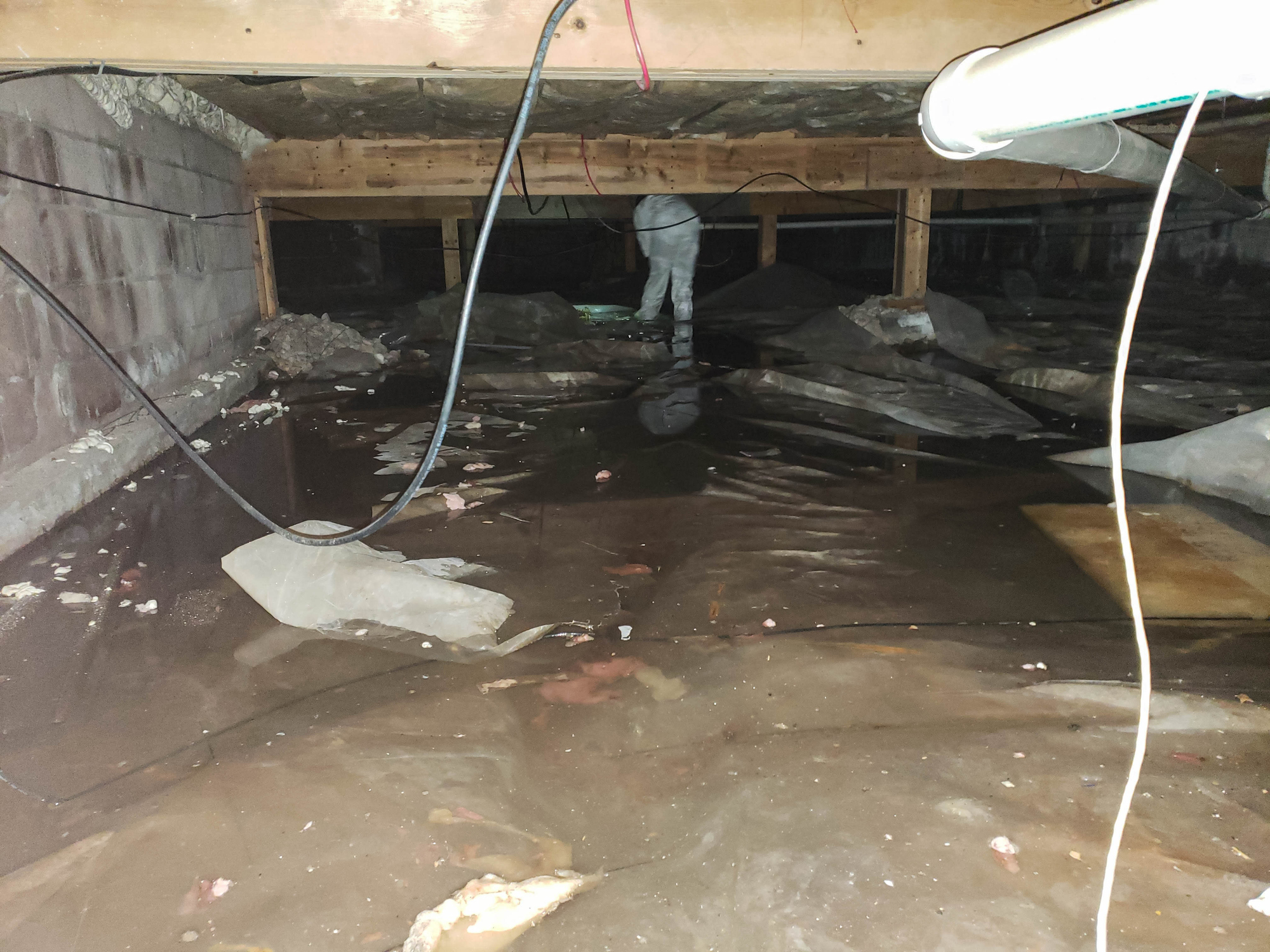
Here are the top five culprits — and what you can do to protect your home.
1. Plumbing Leaks
Hidden leaks in pipes, faucets, or fixtures are among the most frequent sources of water damage. Even a small leak can waste thousands of gallons of water over time and weaken walls, flooring, or ceilings.
- Prevention Tip: Inspect your plumbing regularly for signs of corrosion, dampness, or water stains. Replace worn-out washers and fittings, and schedule routine plumbing maintenance to catch small problems before they escalate.
2. Appliance Failures
Household appliances such as washing machines, dishwashers, and water heaters are major contributors to water damage when they malfunction. A cracked hose or faulty seal can release a significant amount of water in minutes.
- Prevention Tip: Check appliance hoses and connections at least once a year. Replace rubber hoses with braided steel options for added durability, and follow the manufacturer’s maintenance guidelines.
3. Roof Leaks
Your roof is your first line of defense against the elements, but over time, shingles can crack, flashing can loosen, and gutters can clog. These issues often lead to leaks that allow water to seep into your attic, walls, and insulation.
- Prevention Tip: Inspect your roof twice a year — especially after storms. Clean gutters and downspouts to ensure proper drainage, and repair damaged shingles or flashing promptly to prevent bigger problems.
4. Clogged Drains and Sewer Backups
Clogged drains in sinks, tubs, or toilets can cause water to back up into your home, sometimes bringing harmful contaminants with it. Sewer backups, in particular, are hazardous and expensive to clean.
- Prevention Tip: Avoid pouring grease, coffee grounds, or other debris down drains. Install drain screens to catch hair and soap scum, and consider a backwater valve to prevent sewage from backing up into your home.
Learn how to prevent clogged drains without using harsh chemicals here: How to Prevent Clogged Drains Without Harsh Chemicals
5. Basement and Foundation Issues
Basements are especially vulnerable to water damage due to their location below ground level. Poor drainage, cracks in the foundation, or a malfunctioning sump pump can all allow water to seep in during heavy rains or flooding.
- Prevention Tip: Ensure your yard slopes away from the foundation, seal any cracks, and test your sump pump regularly. Installing a dehumidifier can also help control excess moisture in basements.
Protecting Your Home from Water Damage
Water damage can be overwhelming, but with proactive steps, many issues are preventable. Regular inspections, timely maintenance, and a little attention to detail can save you thousands in repair costs and protect your family’s health.
If you do experience water damage, acting quickly is essential to minimize the impact. At Priority Plumbing and Restoration, our experts are available 24/7 to help restore your home and peace of mind.