As temperatures drop, your plumbing system becomes vulnerable to freezing, cracking, and costly water damage. Winterizing your plumbing before the first hard freeze can save you from emergency repairs, property damage, and major inconvenience.
Whether you’re a homeowner or property manager, taking proactive steps now can make all the difference.
Why Winterizing Your Plumbing Matters
 The result? Flooding, structural
When water freezes, it expands. Inside pipes, that expansion creates pressure that can cause pipes to burst — often in hidden areas like:
- Attics
- Walls
- Crawl Spaces
damage, mold growth, and expensive repairs. Winterizing helps protect your plumbing system, conserve water, and maintain peace of mind throughout the cold season.
Insulate Vulnerable Pipes
Pipes located in unheated or poorly insulated areas — such as basements, garages, exterior walls, and crawl spaces — are most at risk.
What to do:
- Use foam pipe insulation or heat tape on exposed pipes.
- Seal cracks or gaps near pipes where cold air can enter.
- Pay special attention to pipes near exterior walls.
Pro Tip: Even pipes that have never frozen before can be vulnerable during extreme cold snaps. When in doubt, insulate.
For more tips and prevention measures, follow our plumbing maintenance checklist: Plumbing Maintenance Checklist Every Homeowner Should Follow
Drain and Protect Outdoor Plumbing
Outdoor plumbing is often overlooked but highly susceptible to freezing.
Steps to take:
- Disconnect and drain garden hoses.
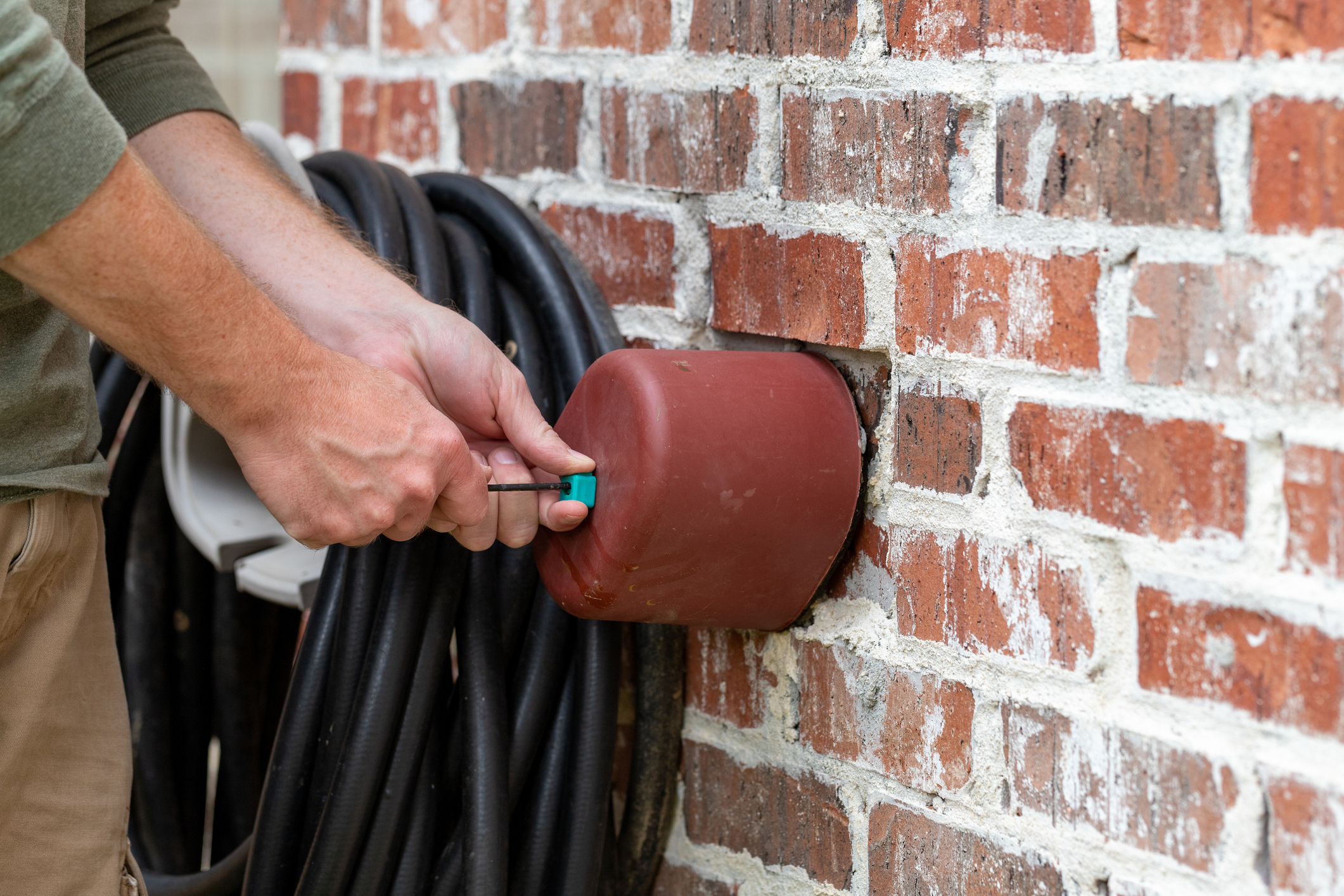
- Shut off and drain exterior faucets if possible.
- Winterize sprinkler and irrigation systems by blowing out remaining water.
Failing to address outdoor plumbing is one of the most common causes of winter pipe damage.
Learn more about common plumbing issues (and how to prevent them) here: The 10 Most Common Plumbing Issues and How to Prevent Them
Prepare Your Water Heater
Your water heater works harder during the winter months and deserves some attention.
Best practices:
- Set the temperature to a safe and efficient level (around 120°F).
- Insulate older water heater tanks and exposed hot water pipes.
- Flush the tank annually to remove sediment buildup.
Pro Tip: A struggling water heater in winter may indicate underlying plumbing issues — don’t ignore unusual noises or temperature fluctuations.
Not sure if your water heater needs repair or replacement? We’ve got you covered: How Long Do Water Heaters Last? Signs It’s Time for a Replacement
Keep Water Moving During Extreme Cold
When temperatures drop well below freezing, letting water flow slightly can help prevent frozen pipes.
- Allow faucets connected to vulnerable pipes to drip slowly.
- Open cabinet doors under sinks to allow warm air to circulate.
- Keep your home’s thermostat consistent, even when away.
When to Call a Professional
Some winterization tasks — like shutting off main water lines or winterizing complex systems — are best left to professionals. Priority Plumbing and Restoration can assess your plumbing system, identify weak points, and ensure everything is properly protected before winter hits hard.
Don’t Let Winter Catch You Off Guard
Winter plumbing disasters often strike suddenly — and usually at the worst possible time. By winterizing your plumbing system now, you can avoid emergencies, reduce repair costs, and protect your home or business all season long.
If you’re unsure where to start or want expert help, contact Priority Plumbing and Restoration today. We’re ready to assist before it’s too late.