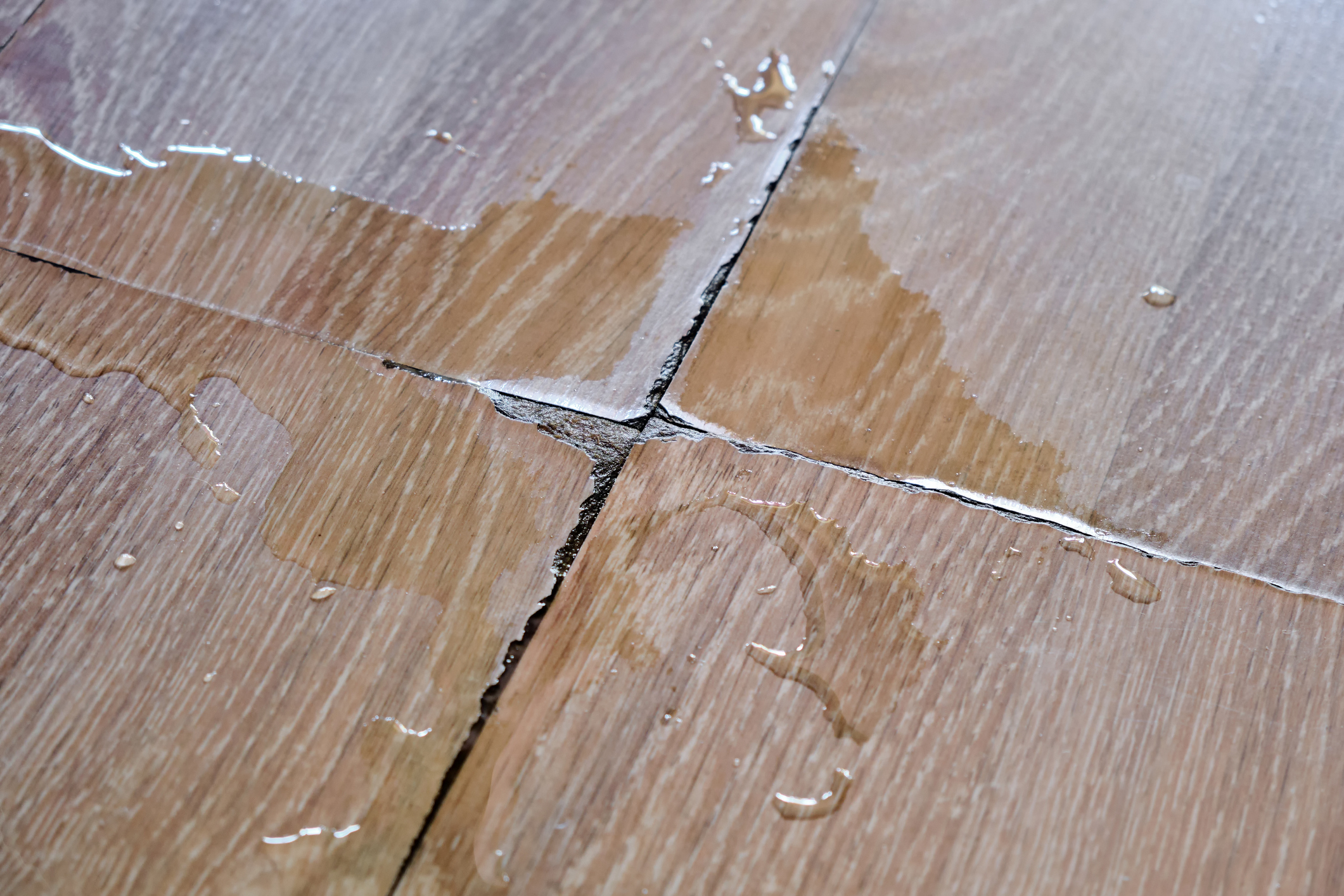
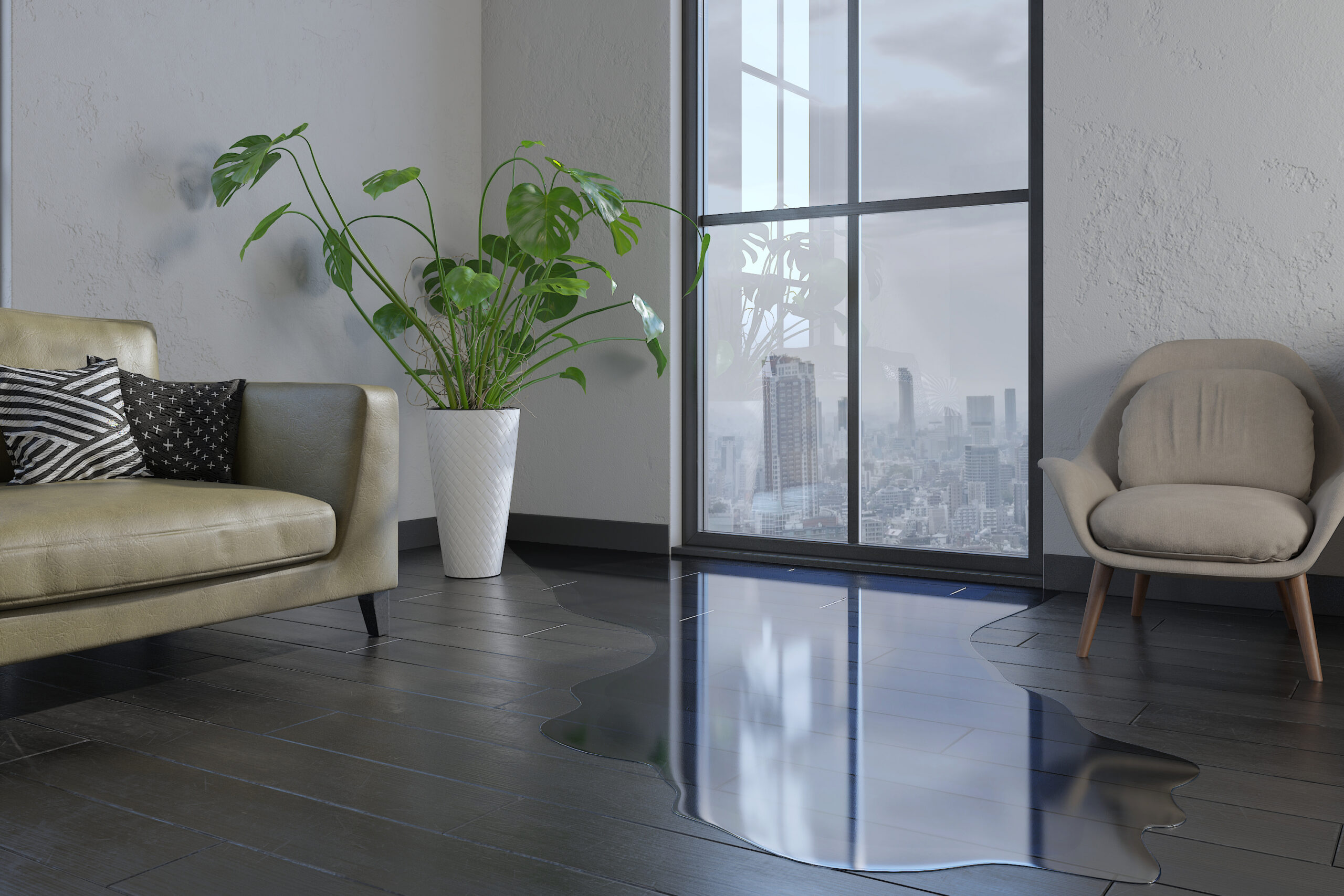
Hardwood floors add warmth and beauty to a home — but water damage quickly threatens their durability and aesthetic appeal. Whether the culprit is a burst pipe, appliance leak, or flooding, moisture trapped in wood flooring must be addressed quickly to prevent warping, buckling, and mold growth.
Homeowners commonly ask how long it takes for hardwood floors to dry. The answer depends on several factors, including:
- The Extent of Water Exposure
- The Drying Methods Used
- How Quickly Restoration Begins
Let’s dive into how long hardwood floors take to dry out, the factors involved, and why you should always use a professional service like Priority Plumbing and Restoration.
Average Drying Time for Hardwood Floors
In most cases, hardwood floors take a few days to a week to dry with professional drying equipment. However, severe water damage may take up to two weeks or more if moisture has soaked into the subfloor or structural materials.
Professional restoration teams typically use specialized equipment to accelerate drying, such as:
- Industrial Air Movers (to circulate air across the flooring surface)
- Commercial Dehumidifiers (to remove moisture from the air)
- Moisture Meters (to monitor drying progress)
- Floor Drying Mats (to pull moisture from beneath the boards)
Without professional drying, hardwood floors may take weeks to fully dry, increasing the risk of permanent damage.
Pro Tip: The sooner drying begins after water exposure, the better the chances of saving your hardwood floors without costly repairs.
Learn more about how to quickly dry your home after water damage here: How to Dry Out Your Home Quickly After Water Damage
Factors That Affect Drying Time
Several variables influence how quickly hardwood floors dry. Understanding these factors helps explain why some situations resolve quickly while others require more extensive restoration.
Key factors include:
- Type of Wood: Dense hardwoods like oak retain moisture longer than softer species.
- Amount of Water: Minor spills dry quickly, while flooding saturates deeper layers.
- Subfloor Material: Plywood and concrete subfloors hold moisture differently.
- Humidity Levels: High humidity slows evaporation and drying
- Air Circulation: Proper airflow dramatically speeds up drying time.
A professional assessment helps determine how much moisture is trapped below the surface and whether deeper structural drying is necessary.
Pro Tip: Avoid turning on high heat to dry floors faster — it can cause wood to shrink unevenly and lead to cracking or gaps.
For more info on the different water damage categories, read our guide: Understanding the Water Damage Categories: Clean, Gray, and Black Water Explained
Signs Your Hardwood Floors Are Still Wet
Even if the surface appears dry, moisture may still be trapped inside the wood or beneath the flooring. Watch for these common warning signs:
- Cupping (edges of the boards rise higher than the center)
- Buckling (boards lift away from the subfloor)
- Discoloration (dark spots on the floor and baseboards)
- Musty Odors (indicating possible mold growth)
- Persistent Humidity (lingering dampness in the room)
If you notice these signs, professional moisture testing may be needed to ensure the floors are truly dry.
Pro Tip: Never refinish or seal hardwood floors until moisture readings confirm the wood has fully dried.
Have you experienced flooding in your basement? Here’s what to do: How to Prevent Basement Flood Damage in Wet Seasons
Why Professional Drying Matters
While it may be tempting to handle water damage with fans or household dehumidifiers, hardwood floors require precise drying techniques. Improper drying can lead to permanent warping or hidden mold problems.
Professional restoration services provide:
- Advanced Moisture Detection Tools
- Controlled Drying Environments
- Subfloor Drying Systems
- Continuous Monitoring Throughout the Process
This approach helps restore floors safely while minimizing the need for replacement.
Pro Tip: If water damage reaches the subfloor, specialized floor drying systems can often save the flooring without removing the boards.
Not sure if you have a hidden water leak? We’ve got you covered: Signs You Have a Hidden Water Leak
Don’t Let Water Damage Ruin Your Floors
Water-damaged hardwood floors don’t always need to be replaced — but time is critical. Most floors can dry quickly with professional equipment, but delays may lead to warping, mold growth, and costly repairs.
If you notice signs of water damage, quick action makes the difference between a simple drying process and a full flooring replacement. Contact Priority Plumbing and Restoration to assess moisture levels, dry the flooring properly, and help protect your home from long-term structural damage.