Water damage isn’t always the same. While any unexpected water in your home can cause structural damage, the type of water determines various levels of risk to your property and your health.
Restoration professionals classify water damage into three categories:
- Clean Water
- Gray Water
- Black Water
Understanding the differences helps you respond appropriately and know when a professional restoration service is necessary.
Category 1: Clean Water
Clean water comes from a sanitary source. It typically poses no immediate health risk, but if it’s left untreated, it can quickly lead to mold growth and structural damage.
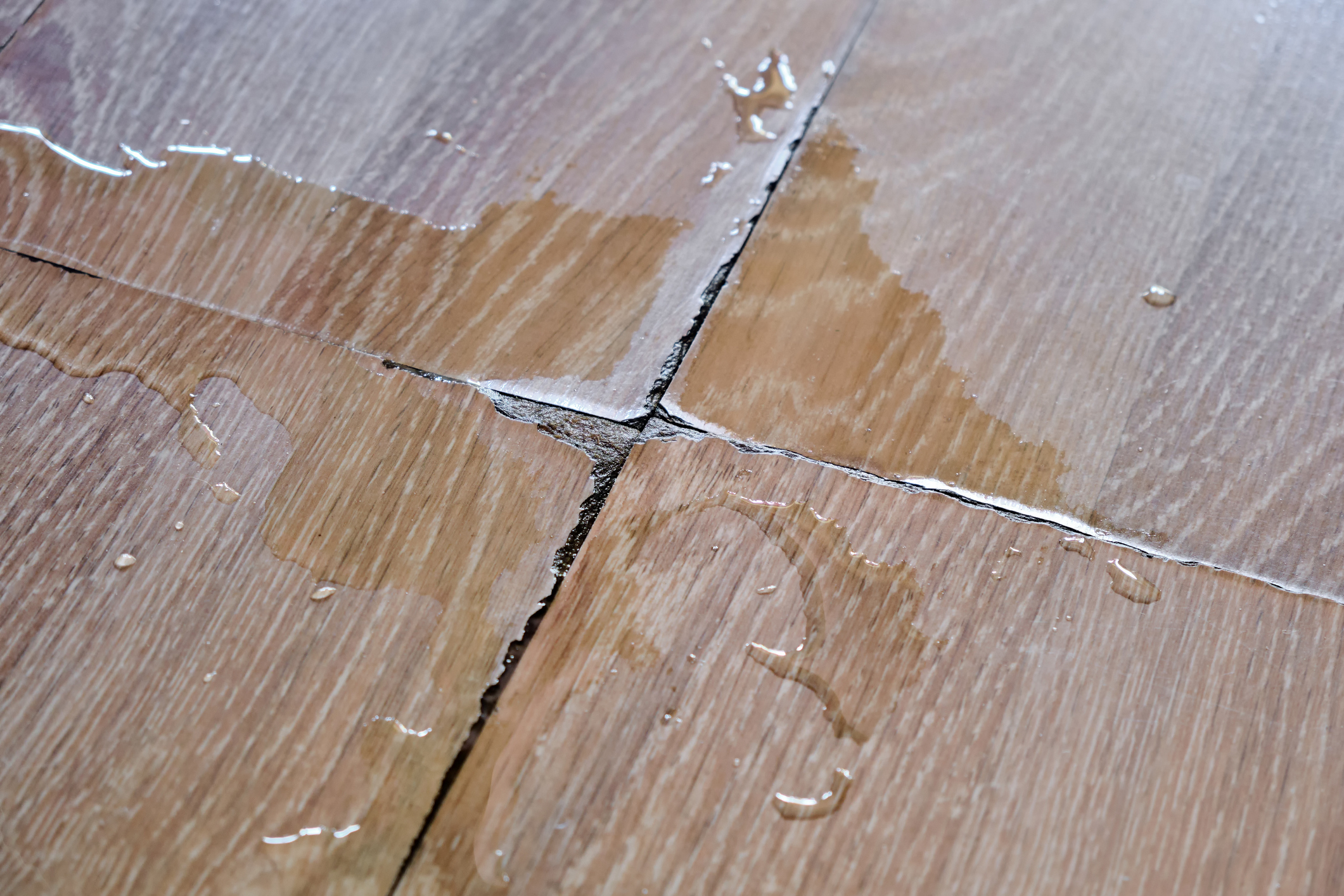
Common sources of clean water include:
- Broken Supply Lines
- Overflowing Sinks (without contaminants)
- Leaking Faucets
- Water Heater Failures
- Rainwater (entering through a damaged roof)
While clean water starts out safe, it can become contaminated after sitting for an extended period — or if it comes into contact with building materials and debris.
Pro Tip: Even clean water should be removed as quickly as possible. Mold can begin developing within 24 to 48 hours of water exposure.
Want to keep your bathrooms mold-free this summer? Learn more here: How to Keep Your Bathrooms Mold-Free in Hot, Humid Weather
Category 2: Gray Water
Gray water contains contaminants. It may cause discomfort or illness if ingested or exposed to the skin for prolonged periods and is considered significantly more hazardous than clean water.
Common sources of gray water include:
- Washing Machine Overflows
- Dishwasher Leaks
- Sump Pump Failures
- Toilet Overflows (containing urine but no feces)
- Water from Appliances
Because gray water contains microorganisms, cleaning it up requires additional precautions and proper sanitization procedures.
You should avoid direct contact with gray water whenever possible and seek professional restoration assistance if the affected area is extensive.
Pro Tip: If gray water remains untreated for more than 48 hours, it can deteriorate into black water due to bacterial growth.
Can you stay home during water damage restoration? Read our guide for more info: Can You Stay in Your Home During Water Damage Repairs?
Category 3: Black Water
Black water is the most dangerous category of water damage. It contains harmful bacteria, viruses, parasites, and other contaminants that can cause serious illness.
Common sources of black water include:
- Sewage Backups
- Floodwater from Rivers or Streams
- Toilet Overflows (containing fecal matter)
- Standing Water (contaminated by sewage)
- Storm Surge Flooding
Any materials exposed to black water often require specialized cleaning, disinfection, and, in some cases, total removal and replacement.
Attempting to clean black water without proper protective equipment and restoration expertise puts you and your family at significant risk.
Pro Tip: Don’t attempt to handle black water damage on your own. Contact a professional restoration team immediately to ensure safe cleanup and sanitization.
If you return home to find water damage, here’s what to do: What to Do If You Return Home to Water Damage
Why Water Categories Matter
Identifying the category of water damage helps restoration professionals determine:
- Appropriate Safety Measures
- Required Cleaning and Sanitization Methods
- Which Materials are/aren’t Salvageable
- The Overall Restoration Timeline
Even a small leak may require a very different response than a sewage backup or a contaminated flood event. The faster professionals can assess the situation, the better the chances of minimizing damage and restoration costs.
Pro Tip: Take photos of the affected area before cleanup begins. Documentation can help support insurance claims and speed up the restoration process.
Learn how slow leaks can quickly escalate here: From Slow Leak to Major Repair: How Plumbing Problems Escalate
Don’t Wait for Water Damage to Get Worse
Whether you’re dealing with a small plumbing leak or a major sewage backup, understanding the category of water involved is crucial for protecting your home and family. The longer water sits, the greater the risk of:
- Contamination
- Structural Damage
- Mold Growth
If you’ve experienced water damage, contact Priority Plumbing and Restoration for fast, professional assessment and restoration services. Our experienced team can identify the category of water damage, develop a safe cleanup plan, and help restore your property as quickly as possible.