
Flash flooding isn’t just a problem for homes near rivers or coastlines anymore. Across the country, neighborhoods that rarely experienced flooding in the past are now seeing streets turn into streams after a single heavy rainstorm.
As weather patterns change and communities continue to grow, homeowners face a higher risk of water damage than ever before.
Understanding why flash floods are becoming more common can help you take the necessary steps to not only protect your home but also minimize costly repairs.
Heavier Rainfall Is Overwhelming Drainage Systems
Many residential areas were designed way back when rainfall patterns were much more predictable than today. Now, storms often produce intense bursts of rain that storm drains and sewer systems simply can’t handle.
When drainage infrastructure is overwhelmed, water has nowhere to go e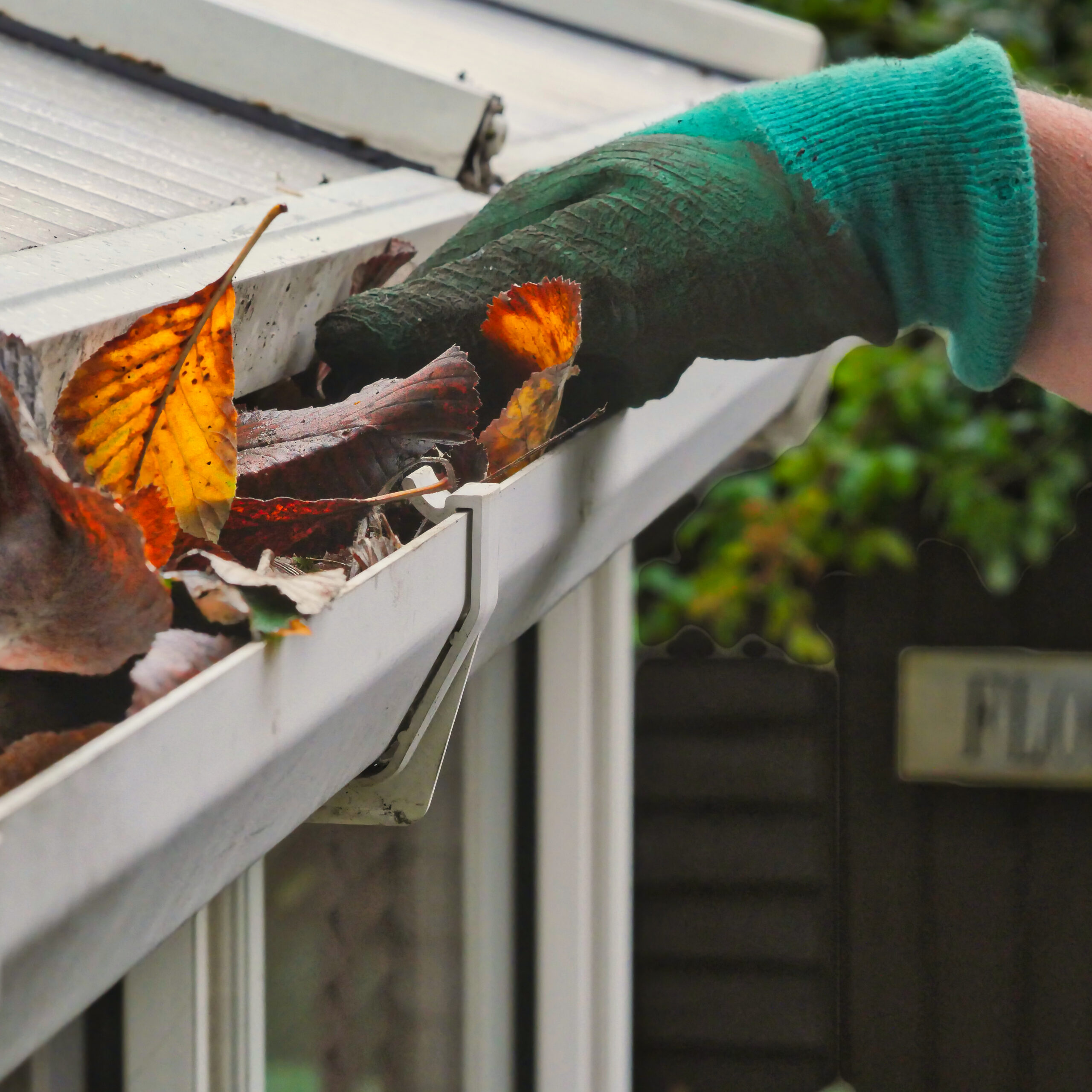 xcept onto roads, driveways, and eventually into homes.
Common consequences include:
- Water Entering Basements and Crawl Spaces
- Flooded Garages
- Foundation Damage
- Sewer Backups
- Landscape Erosion
Pro Tip: Keep gutters, downspouts, and nearby storm drains free of leaves and debris to help water flow away from your home during heavy storms.
Learn how aging plumbing systems contribute to flooding here: How an Aging Plumbing System Increases Flood Risk
Urban Development Leaves Less Room for Water
As neighborhoods grow, natural landscapes are replaced with:
- Roads
- Sidewalks
- Parking Lots
- Buildings
These hard surfaces prevent rainwater from soaking into the ground.
As a result, water rushes across pavement, increasing runoff and raising the likelihood of flash flooding.
Especially vulnerable areas include:
- Newly Developed Neighborhoods
- Homes at the Bottom of Hills
- Properties Near Overloaded Stormwater Systems
Pro Tip: Installing proper grading, drainage solutions, or a French drain can significantly reduce water pooling around your home’s foundation.
Not sure about the different types of water damage? Read our guide for more info: Understanding the Water Damage Categories: Clean, Gray, and Black Water Explained
Small Drainage Problems Can Become Big Flood Risks
Flash floods aren’t always caused by extreme weather alone. Minor maintenance issues around your property often increase flooding risks.
Watch for warning signs such as:
- Clogged Gutters
- Blocked Yard Drains
- Standing Water After Rain
- Slow-moving Storm Drains
- Soil Erosion (around your foundation)
Catching these issues early can reduce how much water actually reaches your home during a major storm.
Pro Tip: Walk around your property after a heavy rain. If water remains pooled for more than 24 hours, it’s time to have your drainage system evaluated.
Suspect sewer line issues? Here are the warning signs: Sewer Line Issues: Top 5 Early Warning Signs You Shouldn’t Ignore
Flood Damage Can Happen Faster Than You Think
Flash floods happen fast, often within minutes of heavy rainfall. Just a few inches of moving water can enter your home through doors, basement windows, or cracks in your foundation.
Once water gets in, additional problems may follow:
- Mold Growth
- Damaged Flooring and Drywall
- Electrical Hazards
- Structural Deterioration
- Contaminated Water Exposure
The faster restoration begins, the better the chances of minimizing long-term damage and repair costs.
Pro Tip: Never wait for visible mold to appear. Moisture trapped behind walls and beneath flooring can begin causing damage within 24 to 48 hours.
Want to keep your bathrooms mold-free this summer? Learn more here: How to Keep Your Bathrooms Mold-Free in Hot, Humid Weather
Stay One Step Ahead of the Next Storm
The bad news is, you can’t control the weather. The good news? You can reduce your risk with regular maintenance, proper drainage, and quick action when flooding occurs.
If your home experiences water intrusion after a storm, professional cleanup and restoration can prevent minor damage from becoming a major problem.
Contact Priority Plumbing and Restoration for fast, reliable water damage restoration, flood cleanup, and expert plumbing solutions. Our experienced team is ready to help protect your home when severe weather strikes.