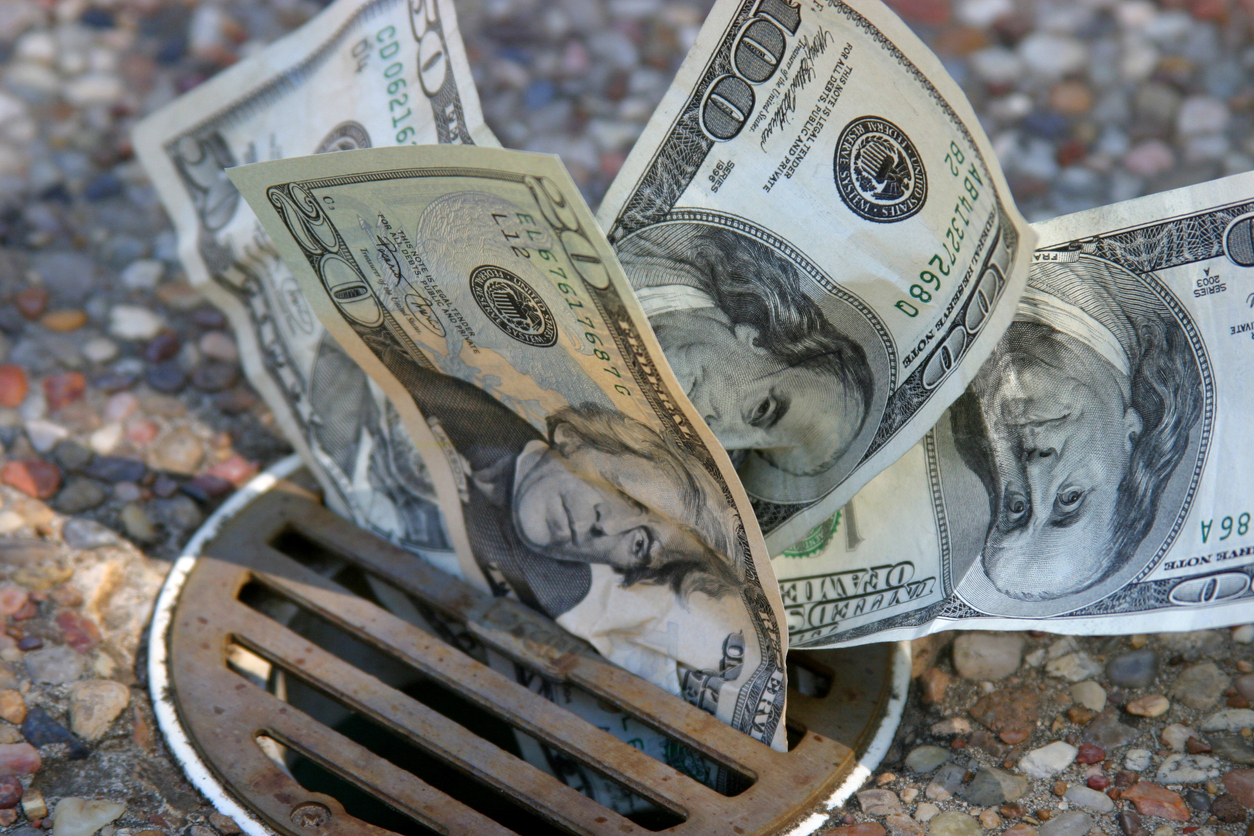
Plumbing issues rarely start as emergencies. More often, they begin quietly — a slow drip under the sink or a toilet that runs a little too long. Unfortunately, what seems minor can escalate quickly, leading to costly repairs and extensive property damage.
Understanding how plumbing problems progress can help you act early and avoid major disruptions.
The Hidden Danger of Small Leaks
A slow leak may not look serious, but even a small, steady drip can waste hundreds of gallons of water each month. Over time, leaking pipes weaken surrounding materials, damage cabinetry, and create the perfect environment for mold growth.
Because leaks often occur behind walls or under floors, homeowners may not notice them until visible damage appears — by then, repairs are usually more complex and expensive.
Pro Tip: If you notice unexplained increases in your water bill or hear water running when fixtures are off, schedule a professional inspection right away.
Consider installing smart leak detectors to alert you at the first signs of moisture: Why Smart Leak Detectors Are Becoming a Must-Have for Homeowners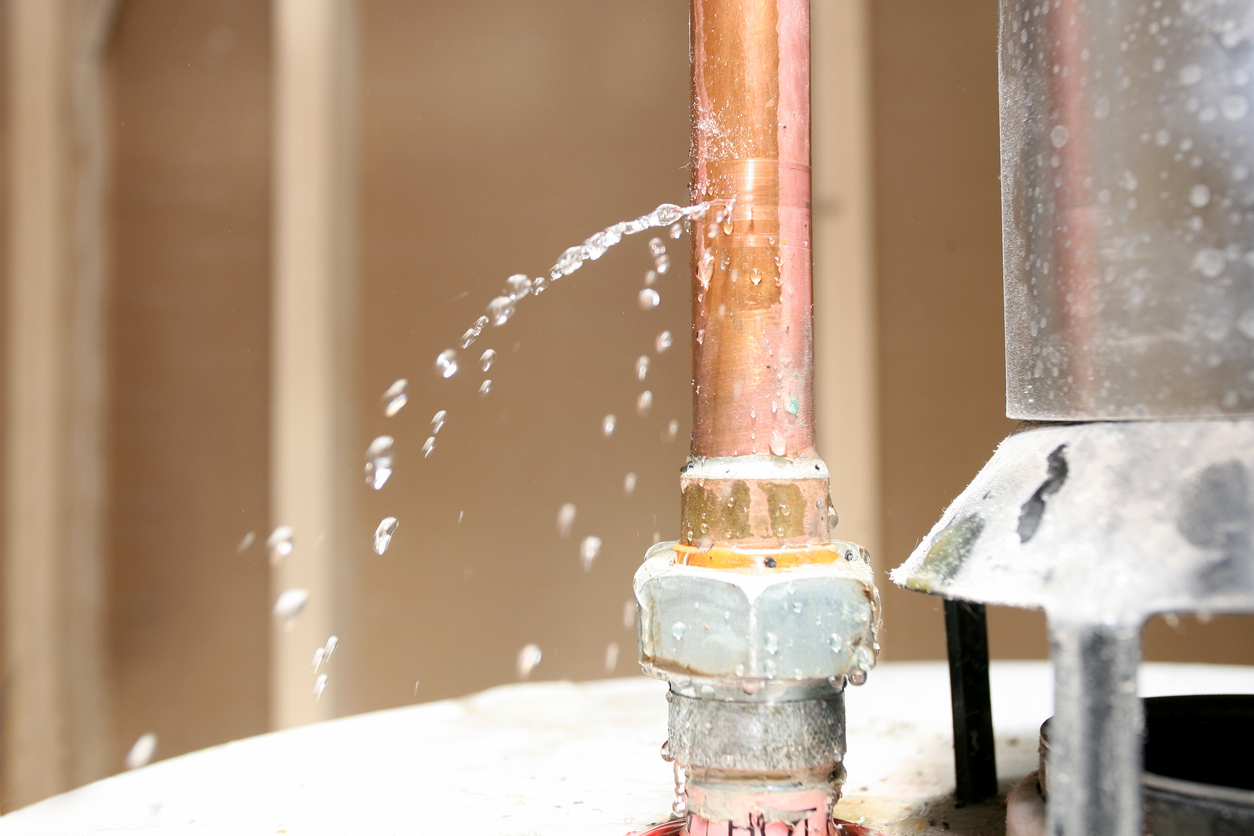
Clogs That Grow Into Bigger Problems
A slow-draining sink or tub is often the first sign of a developing clog. Hair, grease, soap residue, and debris can gradually build up inside pipes, restricting water flow. If left untreated, these blockages can lead to complete backups or even pipe bursts.
DIY drain cleaners may offer temporary relief, but they rarely address the underlying buildup and can damage pipes if used repeatedly.
Pro Tip: Avoid chemical drain cleaners and opt for professional drain cleaning to remove buildup safely and thoroughly.
For more info on getting rid of clogs without harsh chemicals, read our guide: How to Prevent Clogged Drains Without Harsh Chemicals
Pressure Problems and Pipe Failure
High water pressure might feel convenient, but it puts constant stress on:
- Plumbing Lines
- Joints
- Fixtures
Over time, this stress can cause small cracks, leaks, or sudden pipe failure — often without warning. Older pipes are especially vulnerable, as corrosion and wear make them less able to handle pressure fluctuations.
Pro Tip: A plumber can test your home’s water pressure and install a pressure-reducing valve if needed to protect your system.
Learn more about water pressure issues here: Water Pressure Problems? Here’s What Could Be Causing It
Water Damage and Structural Impact
When plumbing issues escalate, water can spread far beyond the original problem area. Leaks and backups can damage:
- Drywall
- Flooring
- Insulation
- Structural Components
In severe cases, water damage can compromise electrical systems and lead to costly restoration work. This is where plumbing and restoration services often overlap, requiring fast, coordinated action.
Pro Tip: If you experience water damage, shut off your water supply immediately and contact a professional restoration team to prevent further damage.
Want more info on the real costs of delaying water damage? We’ve got you covered: The Real Cost of Delaying Water Damage Repairs
Early Action Saves Time and Money
Plumbing problems don’t fix themselves — and they rarely stay small. What starts as a minor inconvenience can quickly escalate into a major repair if ignored.
At Priority Plumbing and Restoration, we understand that early detection and prompt service are key to protecting:
- Your Home
- Your Budget
- Your Peace of Mind
If you’ve noticed dripping faucets, slow drains, rising water bills, or signs of water damage, now is the time to act. Contact our experienced team today to schedule an inspection or request emergency service — because protecting your home starts with prompt, professional care.